
The 'Dark Lord' is not a single mythic origin figure but a composite archetype that crystallized in modern fiction while drawing on older mythic and theological precedents. Sources trace antecedents to mythic figures such as the Celtic Balor and theological/literary figures like Lucifer (and Milton's depictions), and show the archetype taking definitive modern form through 19th–20th century literature and especially high-modern fantasy exemplars (notably J. R. R. Tolkien's Sauron and Morgoth). It functions as a narrative construct inherited and reshaped across media rather than as a named premodern supernatural being.
Appearance varies by work and is not fixed in the sources; the archetype may be depicted as disembodied power (e.g., Tolkien's Sauron in some portrayals), monstrous chthonic beings (comparative analogues such as Morgoth/Balor-like figures), or humanlike tyrants, sorcerers, or vampire-lords (examples include Voldemort, Dracula, Emperor Palpatine, Darkseid). The available material emphasizes variability tied to the needs of a given narrative rather than a canonical physical description.
Described in sourced material as thematic narrative functions rather than a definitive supernatural power-set: embodiment or personification of an antagonistic force (evil, darkness, or death); aspiration to and exercise of supreme political/military/magical power; leadership and orchestration of minions and lesser villains; frequent preference for indirect action through lieutenants; capacity for exceptional destructive or corrupting deeds when directly engaged. The Encyclopedia of Fantasy motif noted in sources also records recurring narrative elements such as an ancient defeat that left the Dark Lord not wholly destroyed and destructive 'wounding of the land' or rites of desecration as part of the archetype's repertoire in mythopoeic narratives.
Weaknesses
- othernarrative defeat by protagonists (plot devices, hero quest, exposing weaknesses)
Wards
- otherfan-satirical tactical lists (Evil Overlord List) — cultural/meta strategies rather than folkloric wards
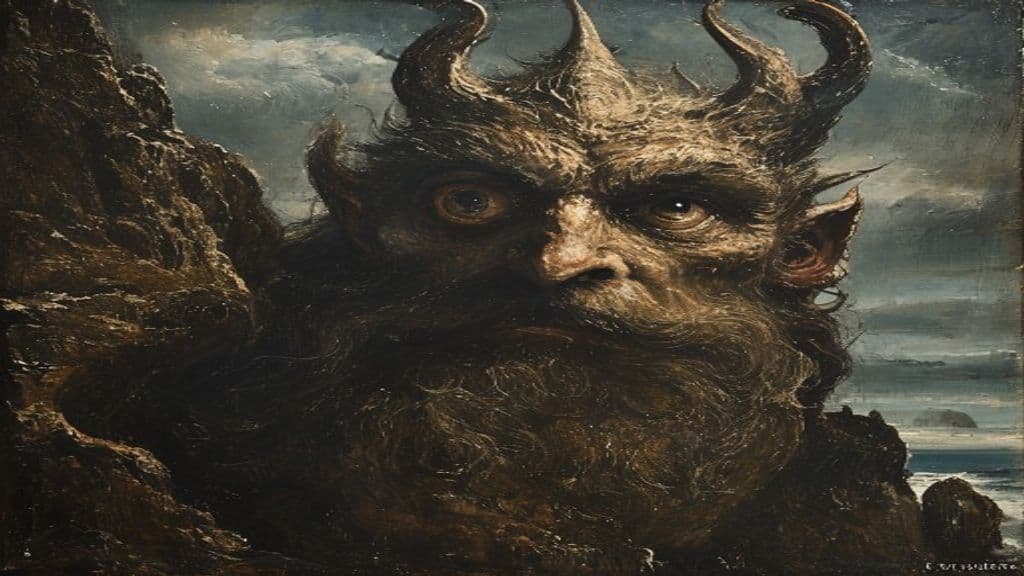
Balor
Balor is a leader of the Fomorians in the Irish Mythological Cycle, portrayed in medieval texts as a formidable war‑champion and in later folklore as a one‑eyed giant/tyrant whose baleful eye causes great destruction; he is killed by his grandson Lugh in the battle narratives and in folktale variants. Scholarly readings link his name to a Common Celtic root meaning 'the flashing one,' which has informed interpretations of him as a personified destructive natural force.

Lucifer
A multilayered figure whose core identity in the cited sources is the planet Venus as the brilliant morning star (Latin lucifer, 'light-bringer' / Hebrew hêlêl, 'shining one'). In later Jewish and especially Christian exegesis the Isaiah image Helel ben Shachar is reinterpreted as a mythic fall motif and becomes associated with a rebellious heavenly being identified with the adversary; this development overlays the earlier astronomical and poetic personification.
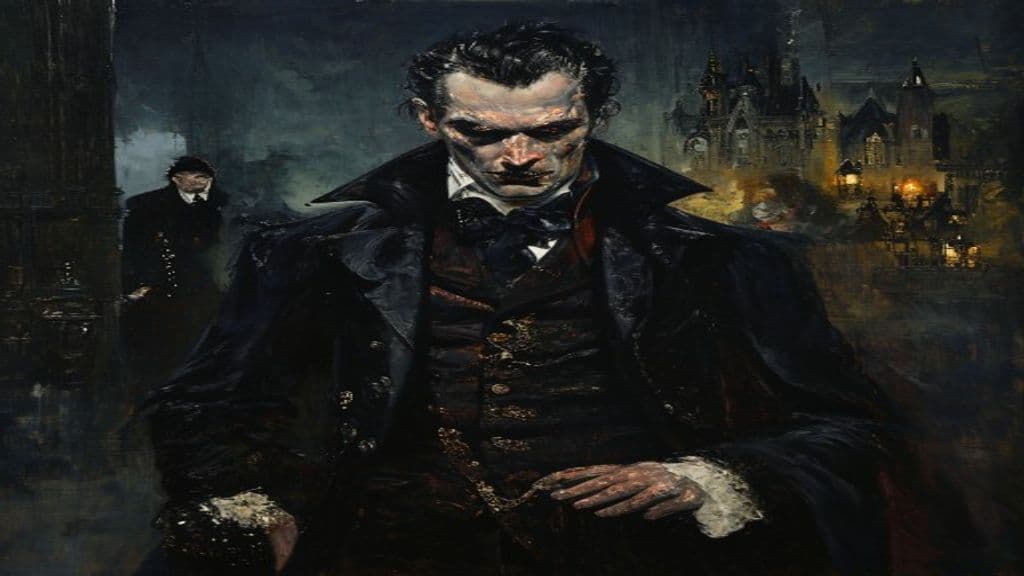
Dracula
Count Dracula is the singular Transylvanian aristocratic vampire of Bram Stoker's 1897 novel who preys on the living by drinking blood and exerting mental influence, relocates to England via the ship Demeter with boxes of earth from his castle, and is ultimately tracked and destroyed by a group of hunters using a mix of scientific, clerical, and folkloric measures.
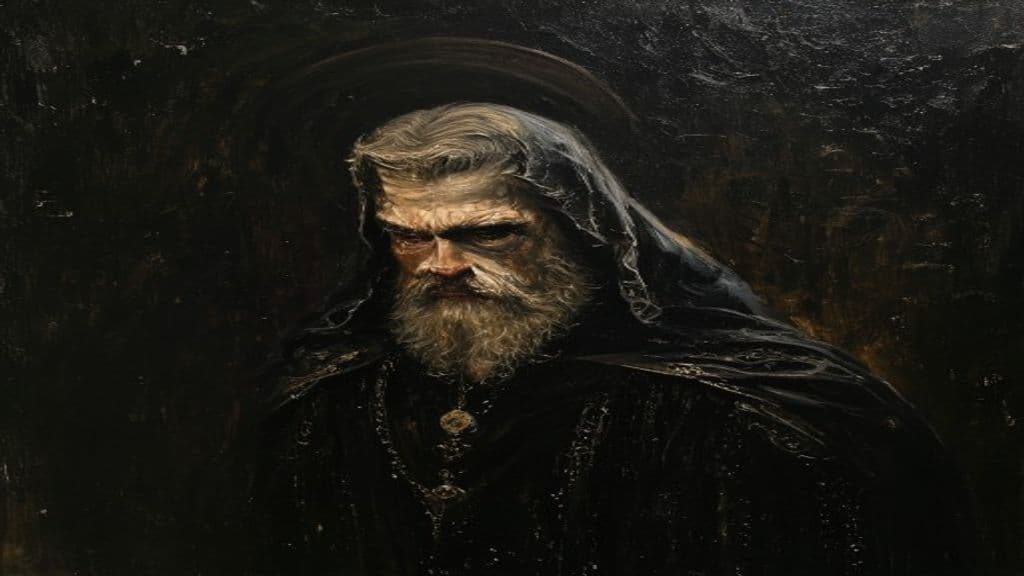
Alberich
In Germanic heroic legend, Alberich is a dwarf associated with elven qualities and power. (Note: 1. Power tier: Reduce to Ancient as Alberich's abilities are not described beyond being a dwarf with elven qualities. 2. Origin story: Clarify that Alberich is mentioned in multiple Germanic texts, bu)
Fire-breathing monster
A cross-cultural mythic category of monster defined by the ability to expel flame (or fire-like phenomenon) from the mouth or nostrils. Appears in multiple traditions (e.g., Greco-Roman, Hebrew/Biblical, Anglo‑Saxon, Japanese, Philippine, Native American, West African, Mapuche) and in modern fantasy as a recurring trope.
General Ironfist
“General Ironfist” is not a single folkloric or mythic being but a recurring modern fictional epithet or proper name applied to disparate martial characters across games, pulp fiction, comics, and novels. The label signals martial authority, toughness, or fighting prowess in English-language popular media rather than a unified supernatural tradition.
Wight
A Germanic-language term historically meaning 'being' or 'creature' that, across Old English and Old Norse usage, covers ordinary created beings as well as a range of supernatural local spirits (e.g., land- and household- vættir). In later medieval and modern contexts the term's range shifted and in modern fantasy it has been narrowed by authors to denote specific undead creatures.
Daramulum
Daramulum is a southeastern Australian Aboriginal sky-hero and ancestral figure associated with the major creator Baiame and with an emu-wife. He is embedded in rock‑art, sky knowledge (constellation identification), and initiation ritual practice, notably as a presence voiced through the bullroarer.
Darda'il
In the cited Islamic tradition, Darda'il (Arabic: دردائيل, glossed 'Journeyers of God') are angels who travel the earth searching out assemblies where people remember God's name. The name is also attested as that of an angel invoked in exorcism; the figure appears in modern cultural references alongside other named angels.
Dardan (Shannara)
In the supplied Shannara source fragments, Dardan is attested only as the personal name of one of the king's guards who was killed by a changeling. The name also exists in real-world onomastic and ethnonymic sources, but those uses are not connected to the fictional character in the provided materials.
Dardanians (Trojan)
A named human people or subgroup in the Homeric Trojan tradition, repeatedly distinguished from the Trojans in epic formulae (e.g., the Iliad). Later Roman poets and classical writers used the ethnonym in genealogical and territorial discourse (Dardania, Dardanus).
Dardanus (son of Zeus)
Dardanus is a mythic progenitor and eponymous founder in Greek tradition, named as a son of Zeus and the Pleiad Electra and presented as ancestor of the Trojan royal line and the namesake of places on the Asian shore of the Hellespont.
Dark Urge
A player-selectable Origin character concept in the 2023 video game Baldur’s Gate 3: an amnesiac mortal identified as a Bhaalspawn whose narrative revolves around compulsions toward violence and the player's choices to resist or embrace that influence.
Darkhawk
Darkhawk is an alien-manufactured android battle-suit stored in a dimension called Null Space whose operation is enabled when a human wearer activates a mysterious amulet and swaps places with the android; the human mind then controls the android body. The construct functions as a technologically explained, extra-dimensional combat shell within Marvel Comics continuity, most famously occupied by Christopher "Chris" Powell.
Darkseid
Darkseid (born Uxas) is a fictional cosmic tyrant in DC Comics’ Fourth World mythos: ruler of Apokolips who seeks the Anti-Life Equation to compel the thoughts and emotions of sentient beings. He commands Apokoliptian forces and works through intermediaries; heroes and allied cosmic forces repeatedly oppose and sometimes defeat his schemes.
Darkspawn
A fictional collective of monstrous, corrupted humanoid creatures from the Dragon Age setting (Thedas). They act as a spreading, subterranean threat tied to periodic calamities called Blights and propagate a supernatural disease called the Taint that can transform other beings.
Community Record
- [1]Dark lord (Wikipedia). Wikipedia contributors, 'Dark lord', Wikipedia, The Free Encyclopedia, https://en.wikipedia.org/wiki/Dark_lordwiki
- [2]Dark Lord (Wikidata item Q56057221). Wikidata, 'Dark Lord' (Q56057221), http://www.wikidata.org/entity/Q56057221other