
There is no single origin story for 'little people' in the provided material; rather the category is comparative: many cultures independently recount small, hidden beings that inhabit liminal places. In some traditions particular origin motifs appear locally — for example, Ojibwe and related accounts include Memegwesi/Memegwaans associated with mines and lost children, and local Euro-American lore (Lewis and Clark-era reports) identified places such as Spirit Mound as loci of little people. Varner's comparative work treats these beings as a recurring family of entities (little people, wild men, spirit beings) rather than deriving them from a single pan-cultural proto-myth in the provided sources.
Descriptions vary by culture but commonly emphasize diminutive stature; many traditions also note pointed ears. Specific depictions include Ojibwe Memegwesi described as short, often hairy men and Memegwaans as a little person 'without definitive form' sometimes appearing childlike; Native petroglyphs sometimes depict horned small figures; African Abatwa are described as tiny figures living among ants and grass and visible mainly to children or the lucky. Traditions may add or omit features such as beards, horns, or wings, and local types (brownies, leprechauns, dokkaebi, domovoy, alux, chaneque, etc.) present wide morphological variety.
Behaviors and capacities range across traditions from helpful domestic service and guardianship to trickery, theft, or outright malice. Examples in the sources: some Native American accounts describe little people who reward secrecy and can assist families; Memegwaans are described as protectors of copper mines and as guardians of lost children and as terrifying to adults; European types include domestic helpers such as brownies alongside hostile varieties like redcaps or spriggans; Mesoamerican and African forms often appear as place-protectors (alux, eloko) or small forest/anthill dwellers (aziza, abatwa). Changelings and child-replacement themes are associated in some cultures with wee-folk activity.
Weaknesses
- conditionfear of adult humans (specific to some traditions such as Memegwaans)
- otherlocal avoidance of sites (communities often avoid certain mounds or places associated with little people)
Wards
- ritualkeeping secrecy when requested
- ritualprayer or petition (local forms)

Pukwudgie
A class of small humanoid 'little people' from Algonquin-language traditions, described as forest-dwelling, ambivalent beings who can help or harm humans; the Ojibwe-derived name and tales entered New England folkloric use via 19th-century publications and later local retellings.
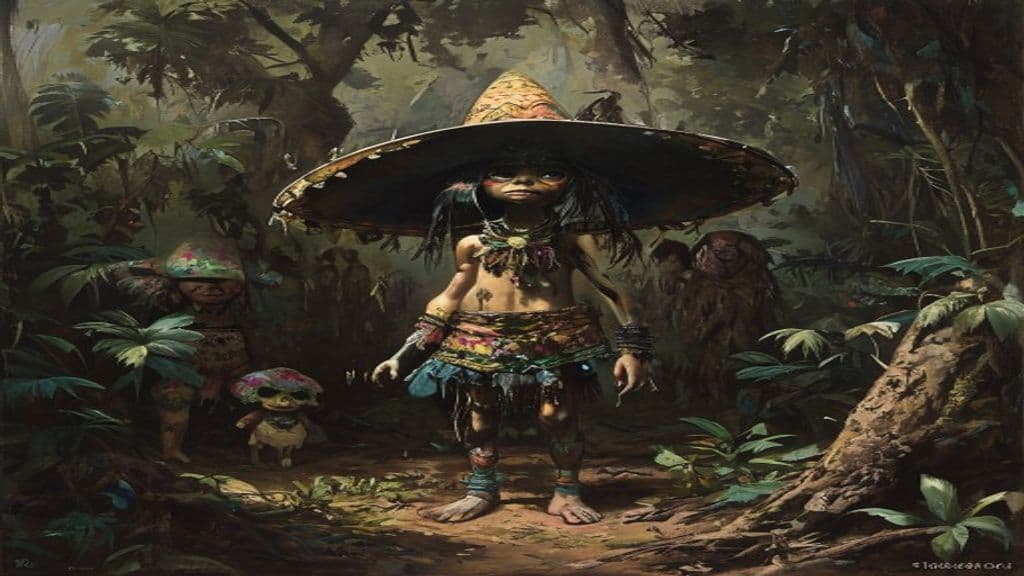
Chaneque
Chaneques are small, place-bound sprite-like beings in Mexican and wider Mesoamerican folklore, described as owners or inhabitants of particular dangerous places and as guardians of nature and households. Traditions portray them ambivalently: they may protect harvests and homes when propitiated, yet can mislead travelers, displace souls, cause illness, or physically harass people in some accounts.
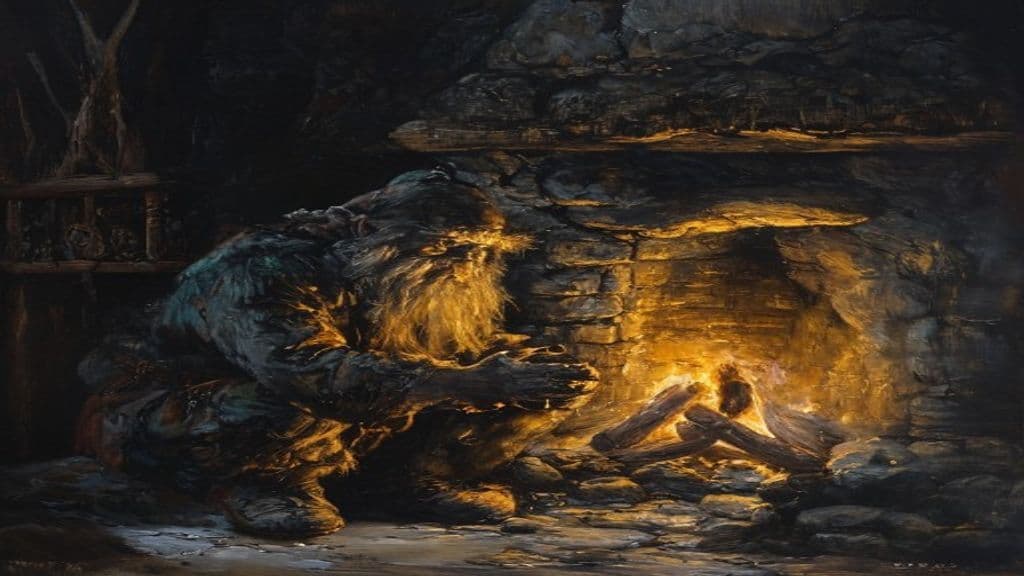
Domovoi
The house spirit of Slavic tradition — a small, invisible guardian of the home bound to a specific dwelling and its family. Protective when respected; dangerous when insulted or forgotten.

Leprechaun
A diminutive, solitary supernatural being from Irish folklore, commonly depicted as a shoemaker who delights in mischief and is associated with hidden or buried treasure. Prominent in later folkloric collections and the 19th‑century literary revival rather than central early mythic cycles.

Duende
Duende is a polyvalent category of Iberian and Ibero‑American household and nature spirits comprising many regional types (Anjanas, Busgosos, Diaños, Enanos, Trasgos, Nuberos, etc.). They range from benevolent water‑nymphs and shepherd‑helpers to mischievous household intruders and shapeshifters, and are rooted in rural popular cosmologies where specific places (springs, forests, homes) are inhabited by agents with varied moral dispositions.
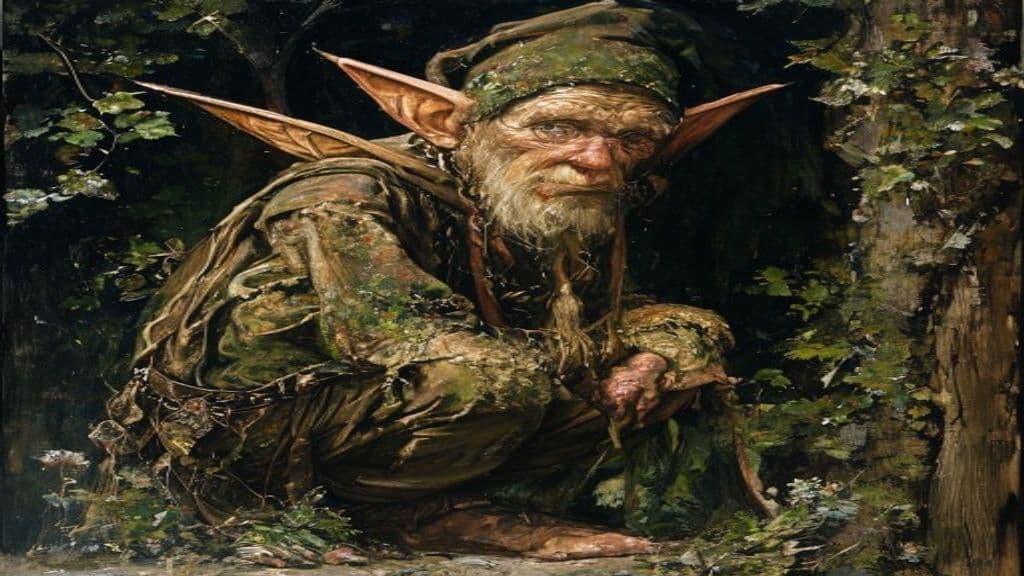
Elf
An elf is a humanoid supernatural being from Germanic folklore, especially prominent in North Germanic (Norse/Icelandic) myth and in later early-modern Scottish and Scandinavian belief. Elves are typically depicted as magically powerful and unusually beautiful, ambivalent toward humans and capable of helping or harming them.
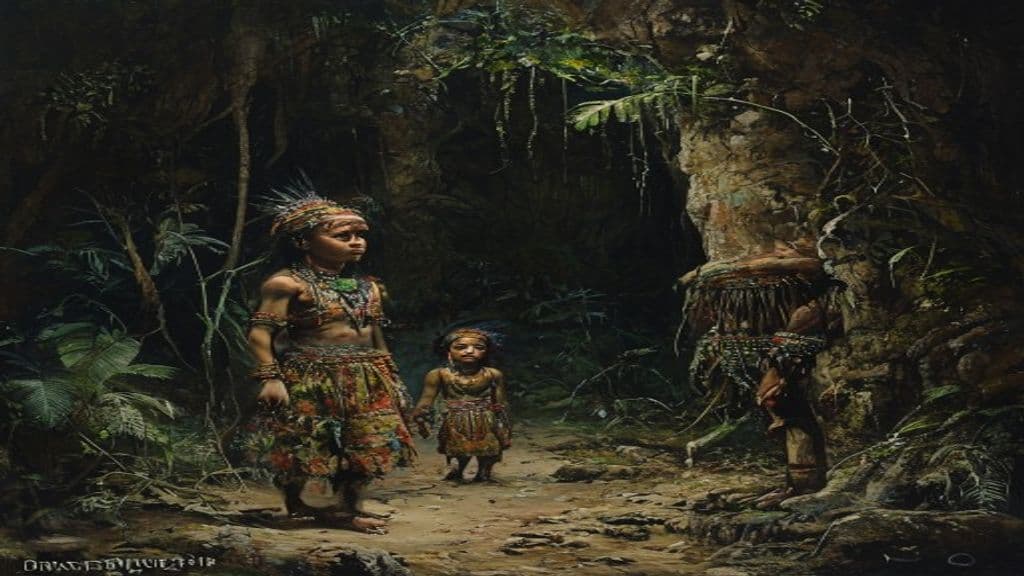
Alux (aluxoʼob)
The alux (plural aluxoʼob or aluxob) is a small, place-bound sprite or spirit in Maya tradition of the Yucatán Peninsula, Belize, and Guatemala, conceived as knee-high, miniature, traditionally dressed Maya-like beings created by ancient gods and normally unseen but able to assume physical form to communicate or frighten humans.

Dokkaebi
Dokkaebi (도깨비) are legendary supernatural beings in Korean folklore associated with nature, household objects, and trickster behavior; they can be mischievous or benevolent, rewarding virtue and punishing greed in folktales.
Albiorix
Albiorix is a Celtic theonym attested in modern reference works as a Gaulish divine name that, in available summaries, is presented as an epithet or local identification of the Roman god Mars. The surviving remarks in the supplied sources are limited to name listings and disambiguation entries rather than narrative myth or cult detail.
Alp
A German nightmare demon — often the projected spirit of a living person — who sits on sleeping victims' chests causing terrifying dreams, sleep paralysis, and wasting illness.
Ankou
The Breton personification of death — the last person to die in a parish each year who drives a creaking cart collecting the dead, whose appearance or sound presages death.
Anu
Anu (also Ana, Anann, Anand) is a mother-figure in early Irish tradition associated with nourishment, territorial fertility and prosperity—especially in Munster—and is variably conflated with other maternal or war-related goddesses in later sources.
Baba Yaga
Baba Yaga is an ambivalent female figure of East Slavic folktale tradition, depicted variously as a fearsome, child-eating crone or as a helpful, maternal donor. She is associated with the deep forest, a hut described as standing on chicken legs, and the motific accoutrements of a mortar and pestle.
Baldr
Baldr (Old Norse Baldr; Old English Bældæġ; Old High German Balder/Palter) is a god in Germanic mythology. In the Norse branch he is named as a son of Odin and Frigg and as a member of the Aesir, attested alongside brothers such as Thor and Váli in the supplied sources.
Banshee
A female spirit of Irish and Scottish folklore whose wail heralds an impending death in a family of Gaelic descent. Not a cause of death — a witness to it.
Black Arab
In Slavic mythology, the Black Arab is a malevolent chthonic demon that kidnaps women and girls. (Note: 1. Power tier should be Primordial, not Ancient (Ancient implies deity-level abilities, but the Black Arab's abilities are more limited). 2. Origin story is speculative and unsupported by source mater)
Breton Mythology
A collection of explanatory and heroic tales forming part of the Celtic mythos, rooted in ancient Celtic tradition. (Note: 1. Power tier: Primordial is incorrect; it should be Ancient (deity-level) as Breton mythology is rooted in ancient Celtic tradition but doesn't match the primordial level of cosmic entities. 2. Origi)
Daolghas
Member of the Fianna, a band of warriors in Irish mythology, with supernatural abilities. (Note: * Power tier: Inconsistent with abilities described; should be Primordial or Ancient due to its cosmic/deity-level powers. * Abilities: Not entirely accurate; it's specifically stated that Daolghas ca)
Dawn deities
A cross-cultural category of divine figures associated with dawn, morning, or the morning star; these figures personify the transition from night to day and may be integrated into local pantheons or syncretized with solar deities in some traditions.
Deutsche Mythology
A collection of mythological narratives representing the collective myths, legends, and beliefs of ancient Germanic cultures. (Note: 1. Power tier: Primordial (Deutsche Mythology as a collective mythological narratives does not have supernatural abilities and behaviors attributed to it; rather, it contains those of individual Germa)
Community Record
- [1]Little people (mythology) — Wikipedia. Wikipedia, 'Little people (mythology)'wiki
- [2]Creatures in the Mist: Little People, Wild Men & Spirit Beings Around the World — Gary R. Varner. Gary R. Varner, Creatures in the Mist: Little People, Wild Men & Spirit Beings Around the World (bibliographic entry referenced in research notes)other
- [3]Rambles.NET review of Varner. Rambles.NET, review/summary of Gary R. Varner's comparative workother