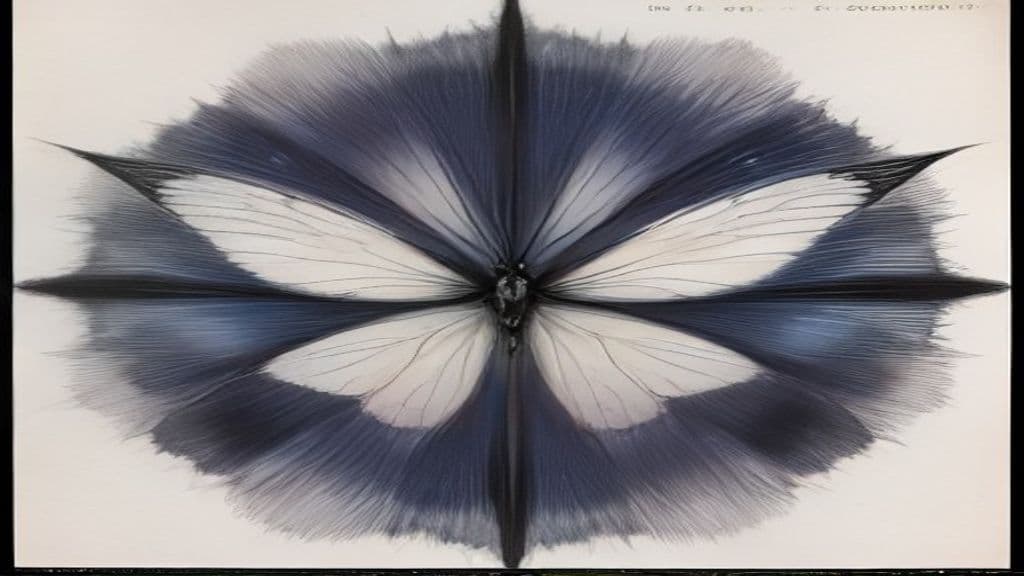
The name 'Thereus' in the consulted sources is a Latinized taxonomic and catalog name rather than a mythic origin narrative. As used in biology it denotes a genus assigned within Linnaean taxonomy (family Lycaenidae, subfamily Theclinae, tribe Eumaeini). As used in astronomy it is the assigned name for minor planet/centaur 32532, discovered and cataloged by the Near-Earth Asteroid Tracking program on 9 August 2001. The sources provide no linguistic etymology or mythological origin for the name.
Biological: Thereus is a genus of small gossamer-winged butterflies (family Lycaenidae) occurring across the Neotropics; specific morphological descriptions are not provided in the supplied excerpts beyond family/subfamily placement and small size. One named species, Thereus pedusa, is reported from Brazil (Amazon) and the Guianas. Astronomical: 32532 Thereus is a Centaur-class minor planet in the outer Solar System, with an estimated diameter of approximately 80 kilometers and an orbital period on the order of ~34.7 years; one source characterizes it as a 'Saturn crosser' in astrological language.
No supernatural powers or behaviors are attributed to Thereus in the provided material. Biological: the sources do not supply behavioral ecology beyond geographic distribution for the butterfly genus. Astronomical: orbital characteristics (classification as a Centaur, approximate orbital period, and crossing relationships noted by some sources) are given, but no animate agency is ascribed. Creative uses reflect individual users' or artists' choices rather than traditional abilities.
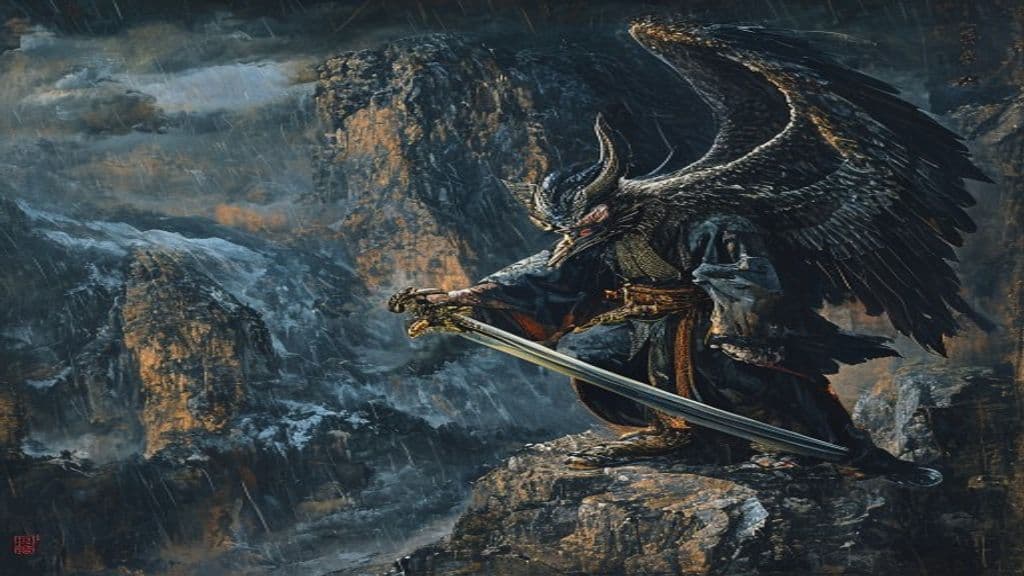
Tengu
Proud, warrior-like mountain spirits of Japan, associated with martial arts, pride, and the wild mountains. Neither fully good nor evil — they test and train warriors and monks, but punish the arrogant.

Kitsune
Fox spirits of Japanese mythology — intelligent, long-lived beings who gain additional tails (up to nine) as they age and grow in power. They serve as messengers of the god Inari and as powerful tricksters.
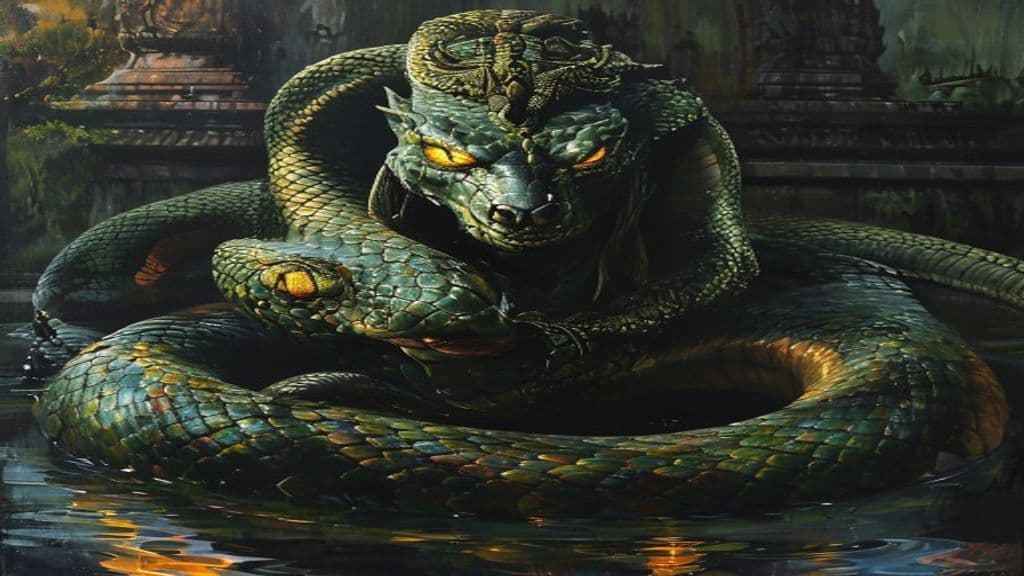
Naga
Divine serpent beings of Hindu, Buddhist, and Jain cosmology — powerful guardians of water, earth, and underground treasures. Revered as deities in South and Southeast Asia.
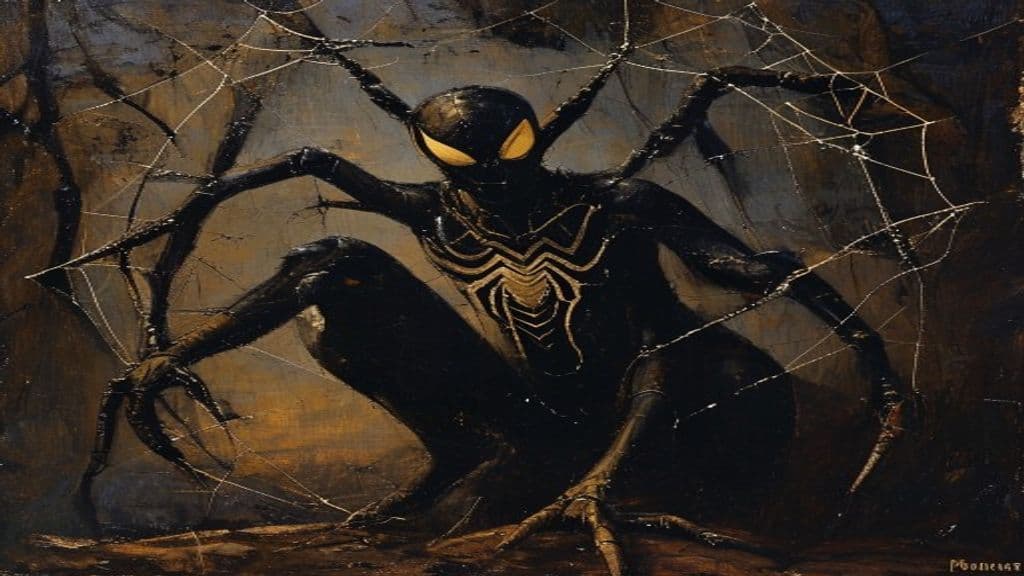
Anansi
The spider trickster god of Akan folklore — cunning, mischievous, and wise. Keeper of stories and teacher of human beings, brought through the slave trade into Caribbean and African-American tradition.
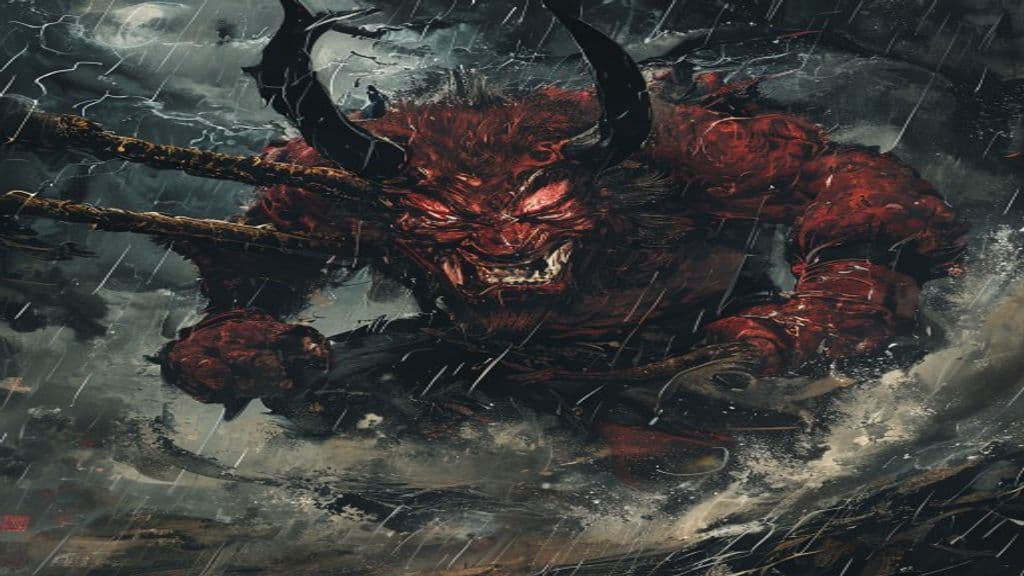
Oni
Powerful supernatural beings of Japanese folklore — associated with misfortune, disease, and the punishment of sinners in hell. Fearsome, often depicted as guardians of the underworld.

Banshee
A female spirit of Irish and Scottish folklore whose wail heralds an impending death in a family of Gaelic descent. Not a cause of death — a witness to it.

Yuki-onna
The Snow Woman of Japanese folklore — a spirit born of blizzards who appears to travelers lost in snowstorms. Beautiful and lethal, she can show mercy or bring death depending on her mood.

Churel (Chudail)
A South Asian female revenant or vengeful ghost associated with women who die cruelly or unpurified; often said to target male relatives and sometimes described as latching onto trees, producing a tree‑attached tree‑spirit variant in local tales.

Rakshasa (Himalayan variants)
A Himalayan reception of the pan-Indian rakshasa motif: hostile or disruptive non‑human beings known from Sanskrit epic and Puranic literature, here noted where Himalayan sources and discussions intersect with the broader epic tradition. The supplied sources do not document distinct, well‑attested Himalayan folklore variants; the entry therefore presents primarily the epic/legendary profile as transmitted into Himalayan contexts in general references.
Thelxiepea
Thelxiepea is attested as one of the Sirens in Greek mythology, a class of female, humanlike beings whose alluring voices pose a mortal danger to seafarers and who are traditionally fixed to rocky islets or coastal cliffs in Mediterranean mythic geography.
Thelxinoë
Thelxinoë (Greek: Θελξινόη, "mind-charming") is a personal name occurring for several distinct figures in Greek myth: a named siren, one of an alternate early quartet of Muses, an attendant of Semele, and a daughter among the Praxidicae of Boeotia. The usages share an etymological theme of 'mind-charming' but do not present a single unified supernatural entity.
Themis
Themis is the ancient Greek Titaness who personifies themis — the divinely instituted ordering of custom, law, and proper procedure. She functions as an oracular figure, a presider over assemblies and oaths, a counselor in divine councils, and a maternal source of personified moral and cosmic forces.
Theobule
Theobule (Ancient Greek Θεοβούλη) is a named mortal woman in Greek mythographic and epic genealogies, attested as the mother of certain mythic figures (e.g., Myrtilus by Hermes; Arcesilaus and Prothoenor by Areilycus). The name literally means "divine will" or "divine counsel," but in the surviving sources she functions primarily as a maternal, genealogical connector rather than a cultic or prophetic figure.
Theognete
Theognete (Ancient Greek: Θεογνήτης) is a mortal woman attested in Greek mythographic genealogies as a daughter of Laodicus and in at least one account as the mother of the hero Jason by Aeson of Iolcus. The name also appears in modern taxonomic records as a genus of insects; the biological usage is separate from the mythological figure.
Thepphanom
A devata in Buddhist tradition embodying the Añjali Mudrā hand gesture, symbolizing respect and devotion. (Note: - Power tier should be Minor Spirit, as Primordial implies a much higher level of power than embodying a symbolic gesture. - No physical description or appearance information is present in the source )
Theronice
Theronice (Ancient Greek: Θηρονίκη) is an Olenian princess in Greek mythic genealogies, daughter of King Dexamenus, twin sister of Theraephone, wife (in some traditions) of one of the Molionides and mother of Amphimachus. She is presented in sources as a mortal genealogical figure whose primary function is to link families and heroic lineages in the Peloponnese.
Thersander (Epigoni)
Thersander is a mortal heroic prince of the Theban cycle, son of Polynices and counted among the Epigoni who led the successful second attack on Thebes; several accounts make him king of Thebes and state he intended to join the Greeks at Troy but was killed before the expedition.
Theseus
Theseus is a legendary hero of Greek myth credited with clearing dangers from Attic roads, slaying the Minotaur, and performing foundational civic acts for Athens (including synoikismos and establishing cult practice). He is portrayed as of mixed mortal and divine parentage and functions as a culture-hero and exemplar in later authors' moralizing biographies.
Theseus Ring
A gold signet ring from the Mycenaean period, depicting a bull-leaping scene, and associated with Theseus' myth. (Note: - Power tier: Remove "Minor Spirit" as there are no reported abilities or behaviors associated with this entity. - Appearance: Add that it's a historical artifact and not a supernatural entity, to ref)
Thespius
Thespius (Ancient Greek: Θέσπιος, variant Θέστιος) is a legendary founder and king of Thespiae in Boeotia in Greek mythic-historical genealogies. He is chiefly remembered for arranging that his fifty daughters consort with the hero Heracles, thus becoming progenitor of a line of Heracleidae tied to the city's prestige.
Thesprotus
Thesprotus is the name of two distinct mortal figures in Greek mythic tradition: an Arcadian prince, one of the sons of Lycaon and eponymous ancestor of Thesprotia; and a later mythic king associated in some accounts with the region of Lake Avernus or Sicyon who appears in narratives connected to Atreus, Thyestes, and Pelopia. Both roles are genealogical and narrative rather than supernatural.
Community Record
- [1]Thereus (genus) — Wikipedia. Wikipedia contributors. "Thereus." Wikipedia, The Free Encyclopedia.wiki
- [2]Thereus pedusa — Wikipedia. Wikipedia contributors. "Thereus pedusa." Wikipedia, The Free Encyclopedia.wiki
- [3](32532) Thereus — Wikipedia. Wikipedia contributors. "32532 Thereus." Wikipedia, The Free Encyclopedia.wiki
- [4]Thereus (asteroid) details — markandrewholmes.com. MarkAndrewHolmes. "Thereus." Personal/astronomy page.other
- [5]Asteroid Thereus (darkstarastrology.com). Dark Star Astrology. "Asteroid Thereus."other
- [6]Aerith: (32532) Thereus catalog entry. Aerith.net minor-planet/comet catalog entry for (32532) Thereus.other
- [7]Thereus (2001 PT13) orbital details — Aerith. Aerith.net catalog entry for (32532) Thereus (2001 PT13).other
- [8]the ambient visitor - four (track listing) — Archive.org. Archive.org listing for the album 'the ambient visitor - four' (track 08 titled 'Thereus').other
- [9]Paizo People: AspectOfThereus profile. Paizo.com user profile 'AspectOfThereus'.other
- [10]Planet Waves / Eric Francis archive (reference to Thereus). Planet Waves blog archive referencing Thereus in an astrological/creative context.other
- [11]Philips Edgwick StarBlogs reference. Philips Edgwick StarBlogs (mentions Thereus in astrological commentary).other