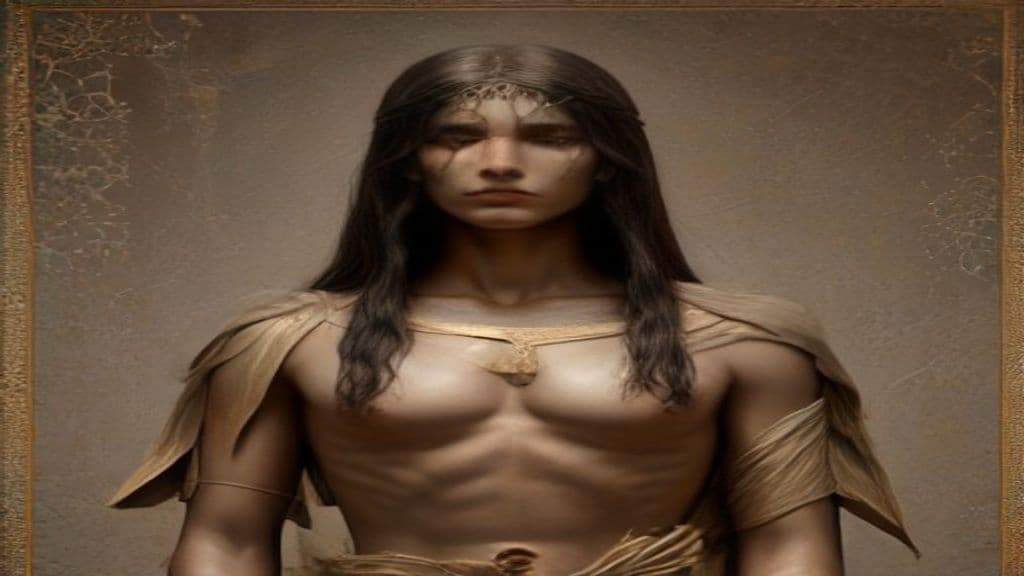
The name Thessalus functions in multiple genealogical and historical strands rather than a single unified origin narrative. In mythic genealogies preserved in summaries and reference compilations, different men named Thessalus are presented as eponymic ancestors of Thessaly: one Thessalus is listed as a son of Poseidon and is cited among reputed fathers of Minyas (founder of Minyan Orchomenus); another is named a son of Heracles who is said to have taken possession of islands such as Calydna and Nisyros; and a Thessalus described as son of Jason and Medea is reported in some lists to have become king of Iolcus after Acastus. Separately, historical-cultural occurrences of the name include a celebrated actor called Thessalus attested in Plutarch's Life of Alexander and references to a Thessalus associated with the Methodic school in surveys of medical history. These usages show the name operating as an eponymic and professional personal name across mythic, theatrical, and medical-historical contexts.
No consistent physical description is preserved in the supplied sources; Thessalus is treated as a human proper name across multiple persons rather than as a creature with stable iconography. Where details are given they concern social roles or genealogical parentage (e.g., son of Poseidon, son of Heracles, son of Jason and Medea) or professional identity (an actor prominent enough to be mentioned by Plutarch), not bodily features or supernatural form.
Sources do not attribute supernatural powers to Thessalus. The deeds recorded for figures named Thessalus are secular and political or professional: one Thessalus is reported to have become king of Iolcus; another, as son of Heracles, is credited with taking possession of islands such as Calydna and Nisyros. The historical Thessalus recorded by Plutarch is noted for his success as an actor, implying theatrical skill and prominence at a royal court (Plutarch says 'Thessalus, in whose success Alexander himself was...'). In medical-historical summaries Thessalus appears as a name associated with Themison and the Methodic sect, indicating involvement in or representation of a medical doctrine, though specific medical doctrines or practices by him are not given in the supplied excerpts.
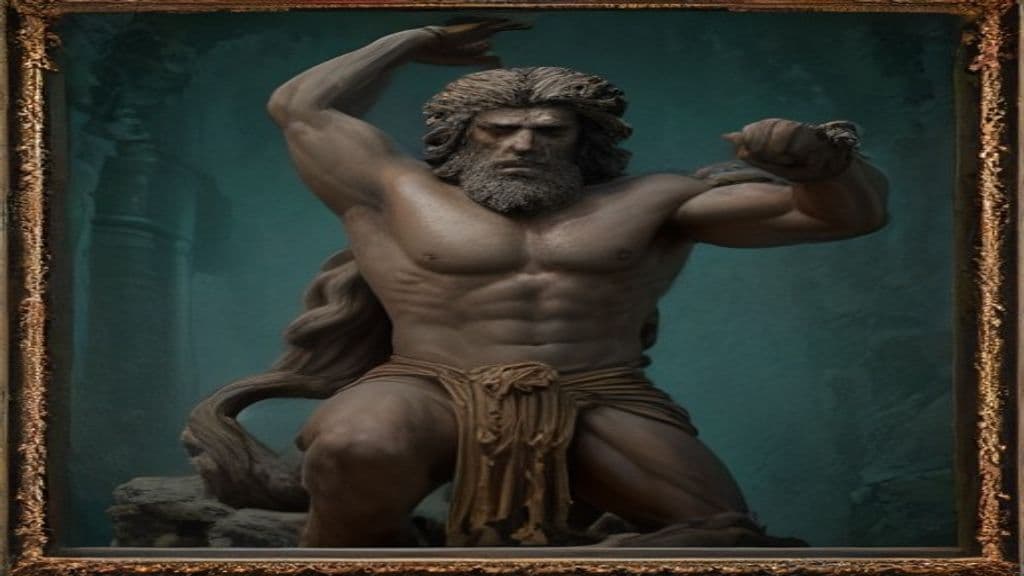
Heracles
Heracles is the greatest hero of Greek myth whose career bridges mortal hero-cult and full divinization. Celebrated for his Twelve Labours, martial prowess, and travels between the mortal world, the underworld, and Olympus, he functioned as a civic patron, ancestor of royal lines (the Heracleidae), and object of cult that treated him both as chthonic hero and as god.
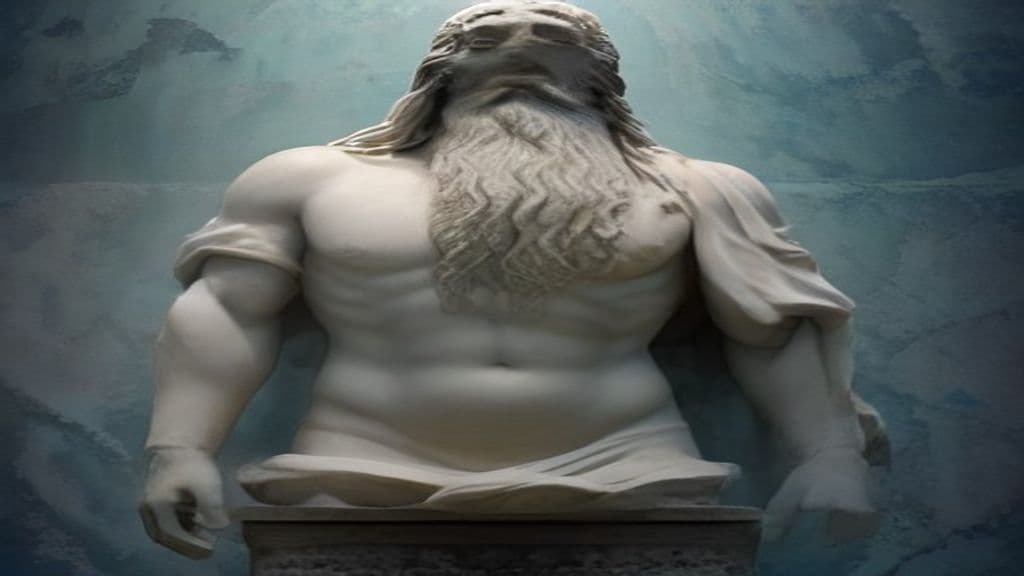
Poseidon
Poseidon is a principal deity of the ancient Greek pantheon, counted among the Twelve Olympians; he presides over the sea, storms, earthquakes and horses and functions as protector of seafarers and guardian of cities and colonies.

Jason
Jason (Ancient Greek: Ἰάσων, Iásōn) is a mortal hero of Greek myth, leader of the Argonauts whose quest for the Golden Fleece establishes his place in the heroic age. He is depicted as a prince of Iolcos, son of Aeson, and husband of the sorceress Medea.
Theronice
Theronice (Ancient Greek: Θηρονίκη) is an Olenian princess in Greek mythic genealogies, daughter of King Dexamenus, twin sister of Theraephone, wife (in some traditions) of one of the Molionides and mother of Amphimachus. She is presented in sources as a mortal genealogical figure whose primary function is to link families and heroic lineages in the Peloponnese.
Thersander (Epigoni)
Thersander is a mortal heroic prince of the Theban cycle, son of Polynices and counted among the Epigoni who led the successful second attack on Thebes; several accounts make him king of Thebes and state he intended to join the Greeks at Troy but was killed before the expedition.
Theseus
Theseus is a legendary hero of Greek myth credited with clearing dangers from Attic roads, slaying the Minotaur, and performing foundational civic acts for Athens (including synoikismos and establishing cult practice). He is portrayed as of mixed mortal and divine parentage and functions as a culture-hero and exemplar in later authors' moralizing biographies.
Theseus Ring
A gold signet ring from the Mycenaean period, depicting a bull-leaping scene, and associated with Theseus' myth. (Note: - Power tier: Remove "Minor Spirit" as there are no reported abilities or behaviors associated with this entity. - Appearance: Add that it's a historical artifact and not a supernatural entity, to ref)
Thespius
Thespius (Ancient Greek: Θέσπιος, variant Θέστιος) is a legendary founder and king of Thespiae in Boeotia in Greek mythic-historical genealogies. He is chiefly remembered for arranging that his fifty daughters consort with the hero Heracles, thus becoming progenitor of a line of Heracleidae tied to the city's prestige.
Thesprotus
Thesprotus is the name of two distinct mortal figures in Greek mythic tradition: an Arcadian prince, one of the sons of Lycaon and eponymous ancestor of Thesprotia; and a later mythic king associated in some accounts with the region of Lake Avernus or Sicyon who appears in narratives connected to Atreus, Thyestes, and Pelopia. Both roles are genealogical and narrative rather than supernatural.
Thestius
Thestius (Ancient Greek: Θέστιος) is a mythic, mortal king of Pleuron in Aetolia appearing in Greek genealogical and local‑hero traditions. He functions primarily as a dynastic ancestor and regional ruler whose family and political actions connect several better‑known heroic cycles, and some variants link him etiologically to a river‑name and a tragic domestic death.
Thetis
Thetis is a figure from ancient Greek myth: a sea-nymph (one of the fifty Nereids) and a semi-divine water-goddess. She is mother of Achilles, a shapeshifter and protector who intervenes for gods and heroes, and a liminal figure tied to older sea-divinities and questions of mortality and divine succession.
Thingol (Elu Thingol / Elwë Singollo)
Thingol is the King of Doriath and leader of the Sindar (the Grey Elves) in J.R.R. Tolkien's First‑Age legendarium. An original chieftain who awoke at Cuiviénen, he became High‑king/Lord of Beleriand, married the Maia Melian, and whose political choices and dynastic actions figure centrally in the tragic history of Doriath.
Thinis (Egyptian tradition)
A significant cultural and administrative center in ancient Egyptian history, mentioned as the capital city of pre-unification Upper Egypt. (Note: - Power tier should be Primordial, not Greater, since it's a significant cultural and administrative center and its decline is tied to pharaonic unification. - Abilities should be stated as "No record)
Thirty-two forms of Gaṇeśa
A canonical set of thirty-two named iconographic and devotional forms of the Hindu god Gaṇeśa, attested in Gaṇeśa‑centered scriptures and later compendia; each form has prescribed visual attributes and associated meditation verses used in worship and temple imagery.
Thoas (multiple figures in Greek myth)
Thoas (Greek: Θόας) is a recurring personal name attached to several distinct mortal/heroic figures in ancient Greek myth and legend — variously kings of Lemnos, the Taurians, Aetolia, and Corinth, and an offspring of Jason — appearing across genealogical and epic cycles rather than representing a single supernatural species.
Community Record
- [1]Thessalus (Wikipedia). Wikipedia, 'Thessalus' entry (summary of mythic individuals named Thessalus)wiki
- [2]Thessalus (actor) (Wikipedia). Wikipedia, 'Thessalus (actor)'wiki
- [3]Life of Alexander, by Plutarch. Plutarch, Life of Alexander (reference to the actor Thessalus: 'Thessalus, in whose success Alexander himself was...')literary
- [4]Thessalus - in ancient sources (attalus.org). Attalus.org, compilation: 'Thessalus' in ancient sources (index of occurrences and variant genealogies)other
- [5]Thessalus in Greek Mythology - Greek Legends and Myths. GreekLegendsAndMyths.com, summary of mythic figures named Thessalusother
- [6]An introduction to the history of medicine from the time of the Pharaohs to the end of the XVIIIth century (table of contents excerpt). 1926 medical history volume (table of contents entries: 'Themison and Thessalus. --The methodic Sect.')academic