
Unfortunately, there is no specific information on the origin story of Altgermanische Religionsgeschichte as it is a historical survey.
There are no specific abilities or behaviors attributed to Altgermanische Religionsgeschichte.
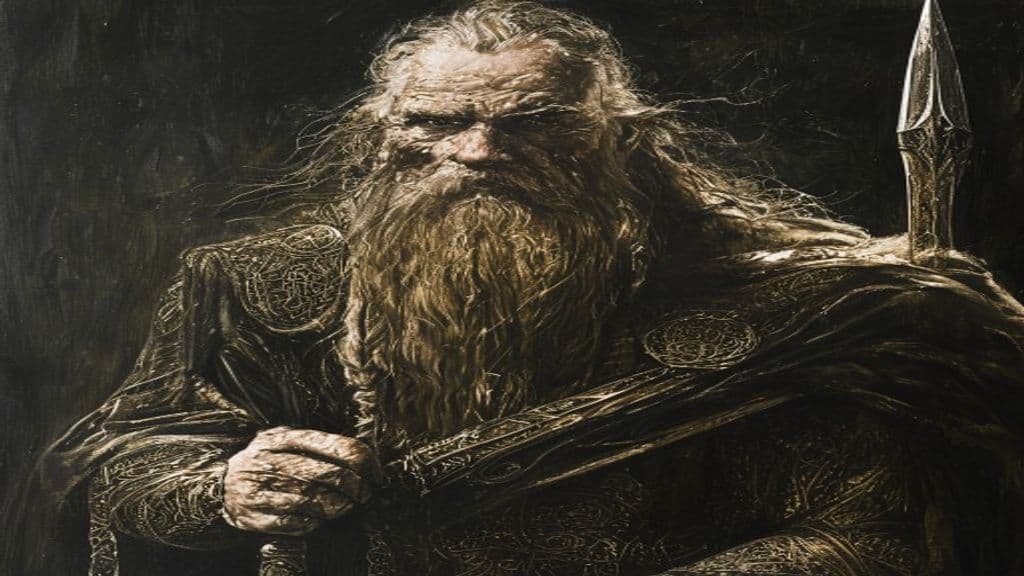
Odin
Odin (Old Norse: Óðinn) is the chief god of the Norse (Æsir) pantheon, a multifaceted deity associated with wisdom obtained by sacrifice, poetic inspiration, death and warfare, and rulership over the hall Valhöll where chosen slain warriors (einherjar) dwell. He appears throughout Germanic tradition from Roman-era accounts through the Viking Age and in later folklore as leader of the Wild Hunt.
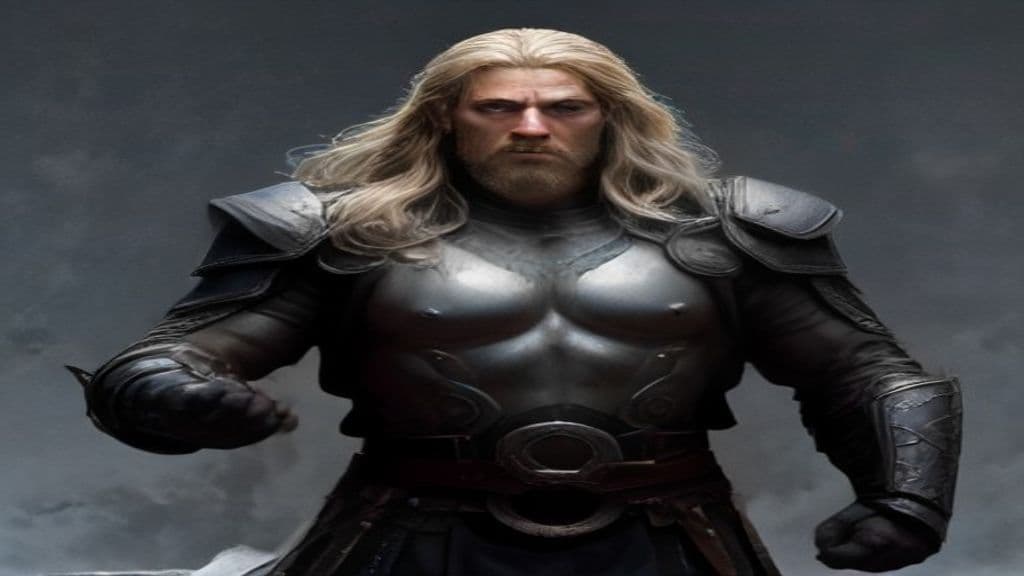
Thor (Þórr)
Thor (Old Norse Þórr) is a central god in the pre-Christian Germanic/Norse religious framework, primarily associated with thunder, storms, strength, protection, fertility, and the welfare of farmers. He is a hammer-wielding warrior who fights monstrous enemies (notably Jörmungandr) and is widely attested from Roman-era Germania through the Viking Age, with ongoing cultural presence in personal and place-names and weekday nomenclature (Thursday).
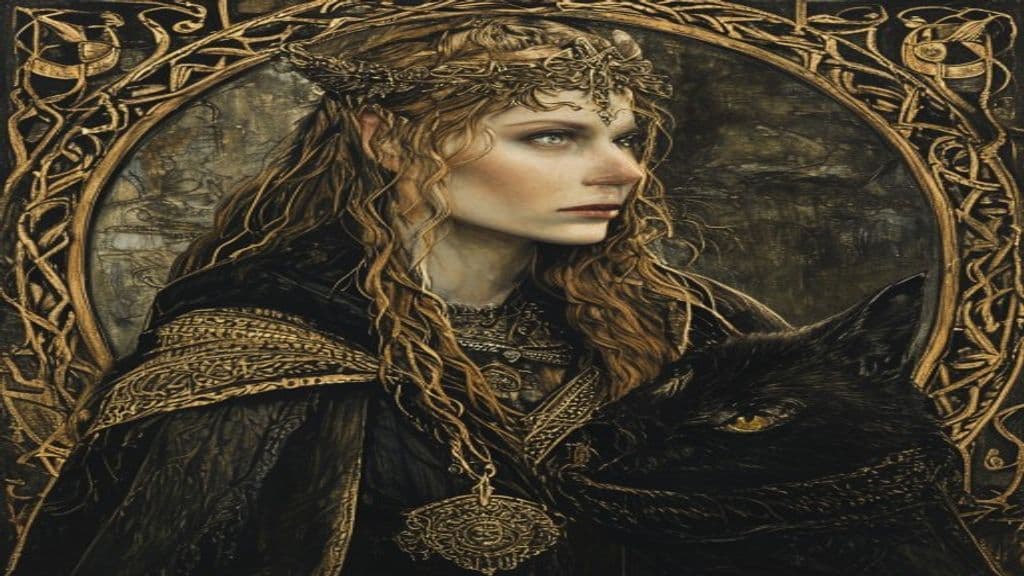
Freyja
Freyja is a major Vanir goddess in Norse mythology associated with love, beauty, fertility, gold, war, and the seiðr form of magic. She rules the field Fólkvangr and the hall Sessrúmnir, where she receives half of those slain in battle, and is attested across the Poetic Edda, the Prose Edda, skaldic poetry, and later Scandinavian folklore.
Alberich
In Germanic heroic legend, Alberich is a dwarf associated with elven qualities and power. (Note: 1. Power tier: Reduce to Ancient as Alberich's abilities are not described beyond being a dwarf with elven qualities. 2. Origin story: Clarify that Alberich is mentioned in multiple Germanic texts, bu)
Anglo-Saxon Deities
A list of deities from the Anglo-Saxon pantheon, likely derived from Old English and other Germanic languages. (Note: 1. Power tier: Primordial seems too high given the sparse written record and limited information on abilities. 2. Appearance: Delete statement as no physical descriptions are provided in available sou)
Eotenas
Eotenas (Old English eotenas) are a race-class of other-than-human beings attested in Anglo-Saxon poetic contexts, notably Beowulf, where they appear among a catalogue of hostile or monstrous stocks. Philological traditions link the term to Old Norse jötnar/ettins (often rendered "giants" in modern summaries), but primary Old English lines give little concrete physical description.
Lime Tree (Germanic Tradition)
The lime tree is a sacred and symbolic plant in Germanic tradition, associated with protection, peace, and healing. (Note: - Power tier: Primordial (Given its association with protection from harm, evil spirits, or negative energies, which suggests a more cosmic level) - Abilities: Remove "good dreams" as it is not suppor)
Mannus
Central figure in Germanic creation myths, entrusted with starting humanity; abilities and characteristics unknown. (Note: 1. Power tier should be Ancient (deity-level) as it's implied that Mannus has a significant role in the creation myth and is entrusted by the gods. 2. No information on appearance, sensory cues, wards)
Neck (water spirit)
A class of humanoid water spirits in Germanic mythology and folklore, often described as shapeshifting; names include nixie, nix, nixy, neck, and nicker. The provided sources give only a brief classificatory statement without extended ethnographic detail.
Nixie
A category of water spirit from Germanic and neighbouring European folklore associated with lakes, streams, ponds and waterfalls. Commonly described as shapeshifting and linked to enchanted music, nixies may be helpful or dangerous to humans depending on local tales.
Rhinemaidens
Three water sprite sisters from Germanic mythology, known for their enchanting singing and association with the Rhine river. (Note: 1. Power tier should be Primordial, as they are associated with a major river and not specified to have regional or local power. 2. Appearance: "No physical description is provided in sources" should )
Tietäjä
A magically powerful figure in traditional Finnic culture, possessing supernatural powers derived from great knowledge. (Note: 1. Power tier should be Primordial as "Ancient" is typically reserved for deities and the source doesn't specify otherwise. 2. The sentence in the Origin story could be rephrased to better reflect tha)
Vættir (Germanic)
A vague term in Germanic tradition encompassing various beings or things that exist. (Note: 1. Power tier: Should be "Primordial" as the source material does not provide any information about their abilities or interactions with humans, implying a vague and potentially cosmic scope. 2. Appea)
Altes
Altes is a named Lelegian king of Pedasus attested in the Homeric tradition and later mythographic summaries. He functions in the epic genealogical network as the father of Laothoe (one of Priam's wives) and is in some accounts named as father of the Argonaut Ancaeus of Samos; no supernatural attributes are recorded in the supplied sources.
Althaea
Althaea is attested in the provided sources as (1) the Latinized form of the Greek name Ἀλθαία (Althaia), a mythological human figure recorded as daughter of Thestius and mother of Meleager, and (2) a botanical genus (Malvaceae) of perennial herbs including the marshmallow plant; the name may be etymologically linked to Greek ἀλθος (althos) 'healing'. The supplied material contains no evidence that Althaea is a supernatural being.
Community Record
- [1]