
Introduced in Journey into Mystery #85 (October 1962) by Stan Lee and Jack Kirby, Balder the Brave is presented in Marvel continuity as an Asgardian and a member of Odin's family. The character is explicitly based on the Norse deity Baldr; Marvel narratives present him as a son of Odin, and at one point Loki reveals Frigga as his mother. Within Marvel storylines his life, death, and resurrections occur as part of serialized plots involving Asgardian politics, Ragnarök-style events, and cross-realm conflicts.
Source summaries do not provide a systematic, authoritative physical description. Comic depictions vary by issue and storyline; one noted episodic detail in the supplied material reports that "Balder’s hair has turned white when he finally emerges victorious" in a specific storyline. Beyond such episodic notes, the provided sources do not supply further consistent descriptive measurements or costume specifications.
As an Asgardian, Balder functions as a warrior, leader, and occasional ruler: he aids Thor against foes, participates in councils of gods, and has been named ruler or King of Asgard in different storylines. He endures death, journeys into Hel, and has been restored to life through divine magic (e.g., Odin casting spells, and an instance of resurrection tied to Thor and other gods' donated energy). The supplied sources portray him as beloved by other characters, prone to deep depression after traumatic events, and capable of political and martial leadership within the Marvel Asgardian narrative. Specific mechanical powers (stat blocks, enumerated abilities) are not detailed in the provided material beyond standard Asgardian-level resilience, longevity, and combat capability implied by his role.
Weaknesses
- otherVulnerability to divine manipulation and plot events (e.g., exploited by Loki in narratives such as the mistletoe arrow incident)
- otherSusceptible to death and resurrection as narrative devices (killed or made vulnerable through divine action in storylines)
Wards
None recorded.
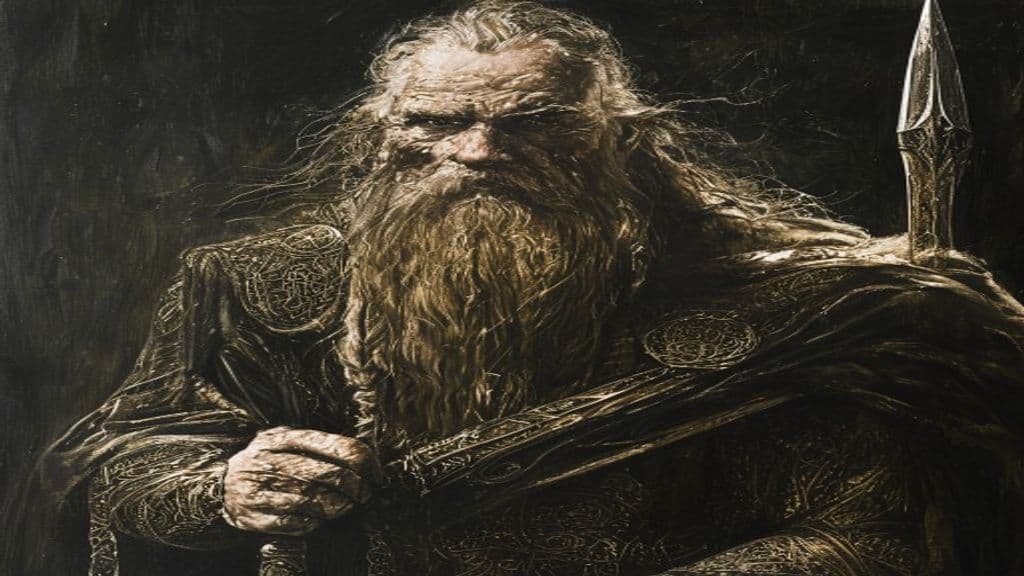
Odin
Odin (Old Norse: Óðinn) is the chief god of the Norse (Æsir) pantheon, a multifaceted deity associated with wisdom obtained by sacrifice, poetic inspiration, death and warfare, and rulership over the hall Valhöll where chosen slain warriors (einherjar) dwell. He appears throughout Germanic tradition from Roman-era accounts through the Viking Age and in later folklore as leader of the Wild Hunt.
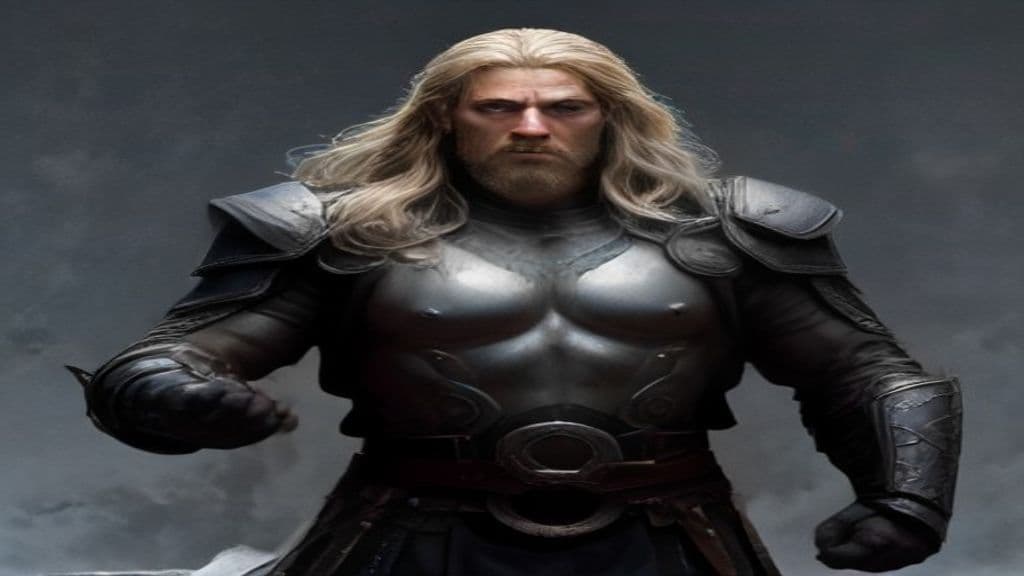
Thor (Þórr)
Thor (Old Norse Þórr) is a central god in the pre-Christian Germanic/Norse religious framework, primarily associated with thunder, storms, strength, protection, fertility, and the welfare of farmers. He is a hammer-wielding warrior who fights monstrous enemies (notably Jörmungandr) and is widely attested from Roman-era Germania through the Viking Age, with ongoing cultural presence in personal and place-names and weekday nomenclature (Thursday).
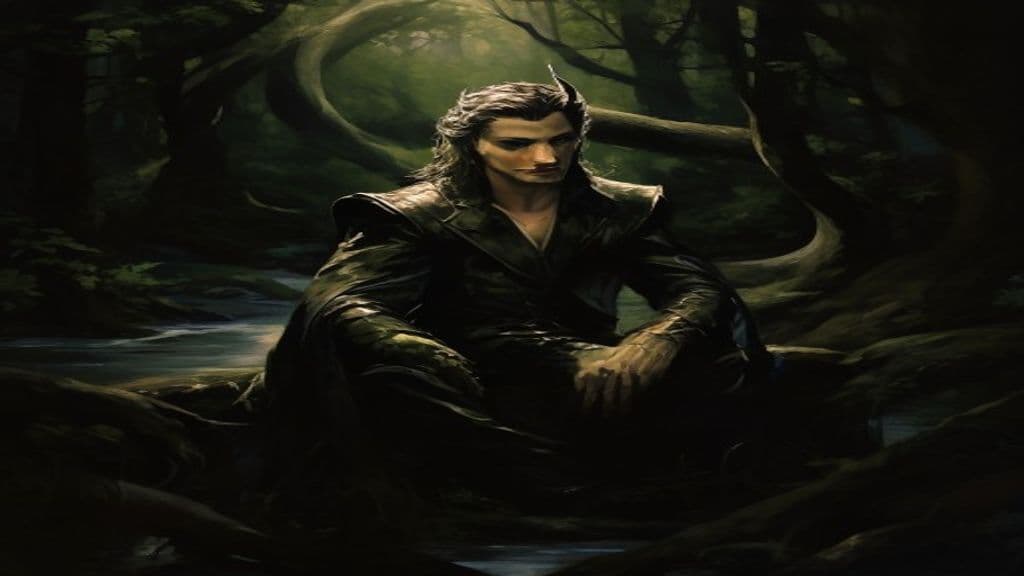
Loki
A complex figure in Old Norse myth: son of a jötunn and the female figure Laufey, resident among the Æsir, a shape‑changing trickster whose cunning alternately aids and undermines the gods and who is bound for his role in Baldr's death before breaking free to fight at Ragnarök.
Bala Tripurasundari
Bala Tripurasundari (Sanskrit: बालत्रिपुरसुन्दरी; also called Balambika) is the youthful or child aspect of the goddess Tripura Sundari in the Tantric Śrī Vidyā tradition. She functions as a tutelary goddess invoked in sādhanā, appears in the Lalita Mahatmya episode of the Brahmāṇḍa Purāṇa as a martial divine agent, and is the object of kavach, mantra, and Pancharathnam devotional material.
Balaam
Balaam (Hebrew Bīlʿām) is a non‑Israelite seer/diviner attested in the Hebrew Bible and in an extra‑biblical West Semitic inscription (Deir Alla). He is portrayed as a liminal prophetic figure who receives divine visions and utters oracular poems but is morally contested in later traditions for his alleged role in leading Israel to transgression.
Balam
Balam is a name that appears in modern secondary demonological compilations and in English-language reference listings as a demon-name; the supplied sources do not provide primary traditional descriptions, rites, or a sustained cosmology for a demon called Balam. The same lexical form (B'alam/Bahlam) is also a Maya-language word meaning 'jaguar' and occurs widely in Maya personal and place names, a distinct and unrelated usage.
Balarāma
Balarāma (Sanskrit: बलराम) is a major deity in the Indian religious tradition closely associated with the Krishna cycle and the Vrishni hero-cult. He is described as Krishna's elder brother, an agricultural patron identified with the plough (halā) and club (gaḍā), and is later associated with the cosmic serpent Śeṣa/Saṅkarṣaṇa and incorporated into Viṣṇu avatāra lists; his cult is attested in early coinage and sculpture from c. 2nd century BCE onward and in living traditions such as the Jagannātha triad and village devotional practice.
Balaur
In Romanian folklore the balaur is a monstrous serpentine or dragon‑like being, often many‑headed, that functions as predator/abductor, treasure‑guardian, and an agent of meteorological phenomena; in some regional variants it is said to be ridden or controlled by weather‑sorcerers (Solomonari).
Bald Mountain (Slavic)
A location in Slavic folklore associated with witchcraft and the Witches' Sabbath. (Note: 1. Power tier should be Primordial since it's associated with witchcraft and has connections to deities (witches are often seen as having deity-level powers). Greater is too low of a power level. 2. A)
Baldr
Baldr (Old Norse Baldr; Old English Bældæġ; Old High German Balder/Palter) is a god in Germanic mythology. In the Norse branch he is named as a son of Odin and Frigg and as a member of the Aesir, attested alongside brothers such as Thor and Váli in the supplied sources.
Balin
Balin is identified in the provided sources as a fictional character created by J. R. R. Tolkien, listed as a dwarf in Tolkien's legendarium of Middle-earth. The available references are index-style entries and do not supply in-world narrative details, appearance, abilities, or rituals.
Balius and Xanthos
Balius and Xanthos are two named immortal horses in Greek epic associated with Achilles and his charioteer Automedon. Treated as semi-divine companions, they display autonomous behavior in battle and, in one Homeric reference, Xanthus is said to be granted the power of utterance to prophesy Achilles' death.
Balius and Xanthus
A paired set of exceptional, traditionally immortal horses from Greek myth, often given by gods to heroes and famed as the chariot steeds of Achilles. They are noted for divine parentage variants, great speed and endurance, emotional responsiveness, and — in one Homeric episode — a momentary prophetic speech granted by a goddess.
Balkan sworn virgins
A culturally recognized gender role in parts of the western Balkans in which people assigned female at birth take an irrevocable vow of celibacy and are socially recognized to live as men, acquiring male privileges and responsibilities within patrilineal customary law.
Ball-tailed cat
A North American "fearsome critter" from woodsmen's tall tales c. turn of the 20th century: a large catlike predator with an exceedingly long tail terminating in a solid, bulbous "ball" used as a club. The creature functions as occupational folklore—an entertaining hazard-story variant on known felids rather than part of a formal cosmology.
Community Record
- [1]Balder the Brave - Wikipedia. Wikipedia, 'Balder the Brave' entrywiki
- [2]Wikidata: Balder (Q2440279). Wikidata entity Q2440279wiki
- [3]scans_daily | Entries tagged with char: balder the brave. scans_daily tag archive (comic storyline synopses)other
- [4]Marvunapp entries and appendices referencing Balder storylines. Marvunapp appendix and related pages (storyline references)other
- [5]PriceCharting — Balder the Brave series listings. PriceCharting series listing (publication data)other
- [6]Who Is Balder the Brave? Loki & Thor's Secret Brother Explained — The Direct. The Direct (modern pop-culture article referencing the character)other
- [7]Balder the Brave | Marvel Cinematic Universe Wiki. Fandom / MCU Wiki entry on Balder the Braveother
- [8]LoaPer: Loki Season 2 mentions Balder the Brave — Looper. Looper article noting media mentionsother
- [9]Archive: The Odin Brotherhood listing (chapter title referencing Balder). Archive.org listing, 'The Odin Brotherhood' index referencing Balder and death motifsother