
Wu Fu is not presented in the supplied sources as having a mythic origin story or personified genesis; rather, it is attested as a lexical and iconographic formula in Chinese culture. The term itself combines the characters wǔ (五, "five") and fú (福, "blessings/fortune") and names a conceptual grouping of auspicious desiderata that was encoded into material culture (porcelain decoration, charms, rebuses and inscriptions). Sources treat the phrase as a long-standing cultural expression used to encapsulate a cluster of good fortunes rather than recounting a narrative origin involving a deity or ancestor.
No source describes Wu Fu as anthropomorphic. Appearance in the provided materials refers to how the concept is rendered visually: as characters and pictorial motifs on objects and charms. Common elements paired with the wu fu formula include bats (a rebus for fú/good fortune), the longevity character shou (壽/寿), peaches (symbols of longevity), vases, and combinations such as the inscription wu fu peng shou (literally "five fortunes surround longevity") often realized as five bats surrounding the shou character. Examples of these motifs appear on porcelain, household wares, and talismanic objects.
The sources do not attribute independent agency or active supernatural behaviors to Wu Fu. Rather, the motif functions performatively in material culture: inscribed words and paired images are intended to signify, advertise, or invite blessings and good fortune for owners and households. Language on charms sometimes frames associated figures (e.g., "The God of Luck brings fortune") but available documentation treats Wu Fu itself as an emblematic formula used to represent and encourage auspicious outcomes, not as an autonomous actor with powers or behaviors.
Weaknesses
None recorded.
Wards
- symbolNot applicable (Wu Fu is an auspicious motif rather than a harmful entity)
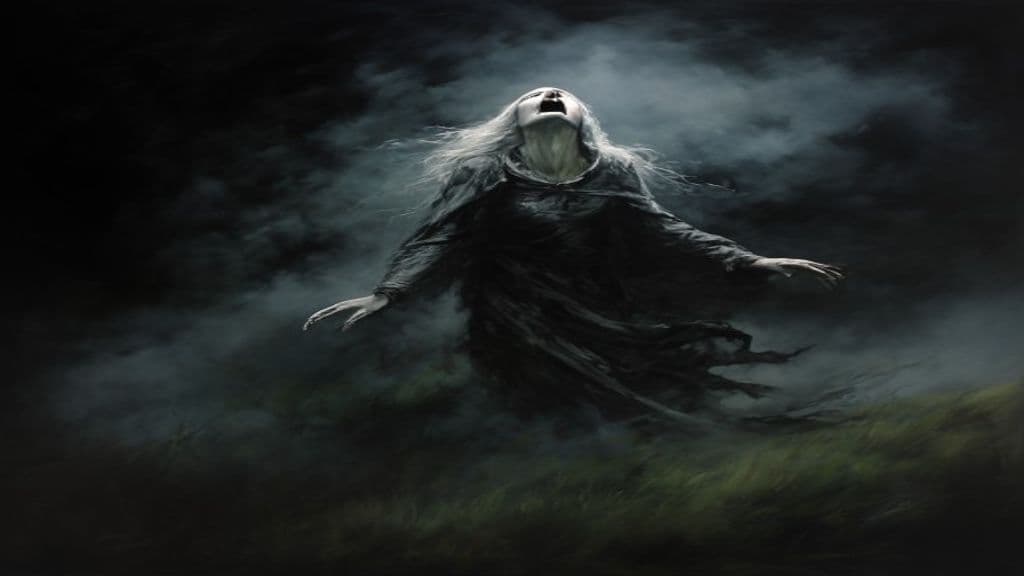
Banshee
A female spirit of Irish and Scottish folklore whose wail heralds an impending death in a family of Gaelic descent. Not a cause of death — a witness to it.
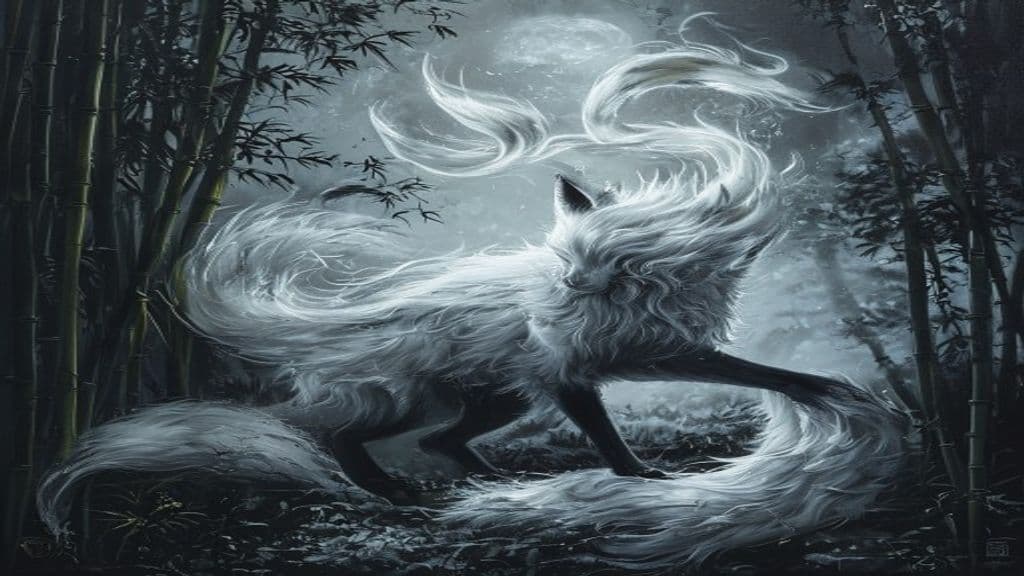
Kitsune
Fox spirits of Japanese mythology — intelligent, long-lived beings who gain additional tails (up to nine) as they age and grow in power. They serve as messengers of the god Inari and as powerful tricksters.
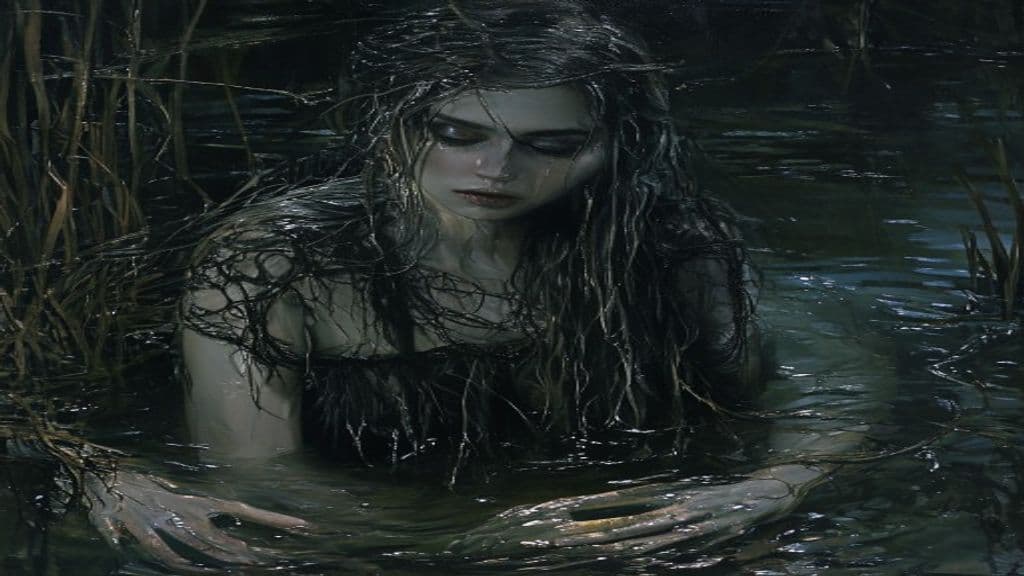
Rusalka
Water spirits in Slavic folklore — the spirits of young women who died by drowning or suicide, bound to rivers and lakes. Beautiful and dangerous, they can bewitch men to their deaths.
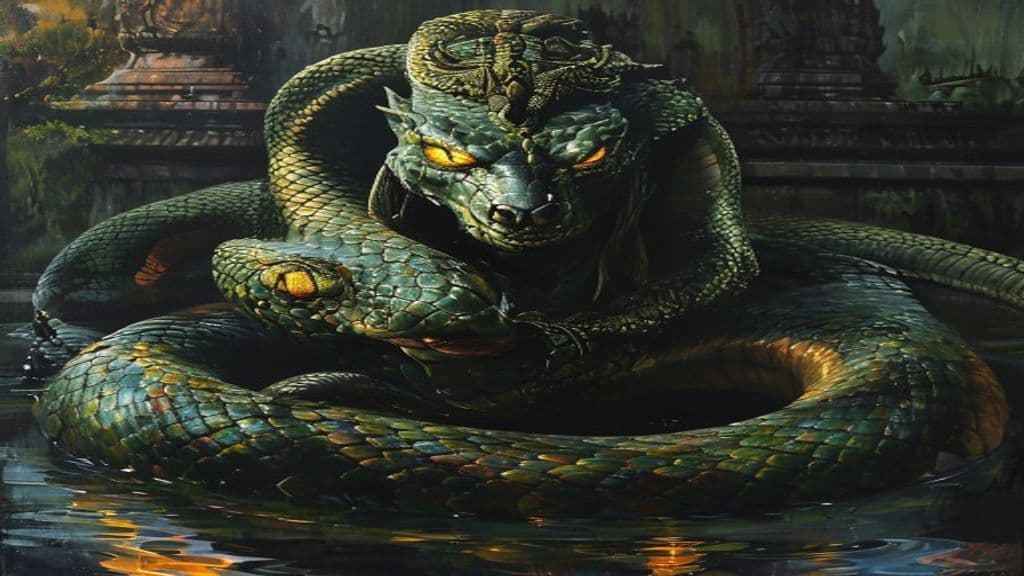
Naga
Divine serpent beings of Hindu, Buddhist, and Jain cosmology — powerful guardians of water, earth, and underground treasures. Revered as deities in South and Southeast Asia.
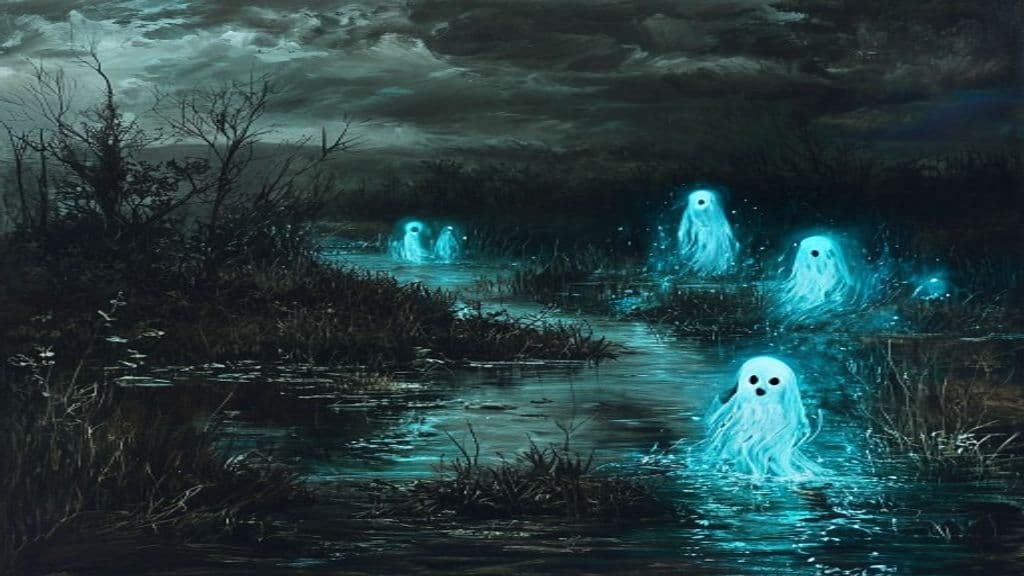
Will-o'-the-Wisp
A wandering light seen over marshy ground at night, leading travellers astray into bogs and fens. Possibly a spirit, possibly the soul of the unbaptised dead, possibly the devil himself.
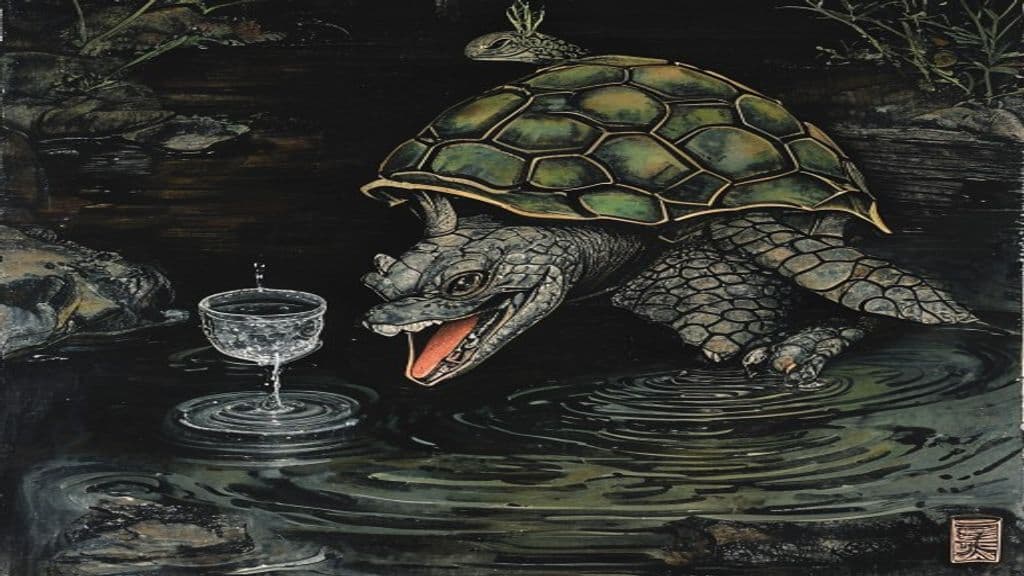
Kappa
A water-dwelling imp of Japanese folklore with a bowl of water on its head. Mischievous but bound by strict codes of politeness; dangerous near rivers.
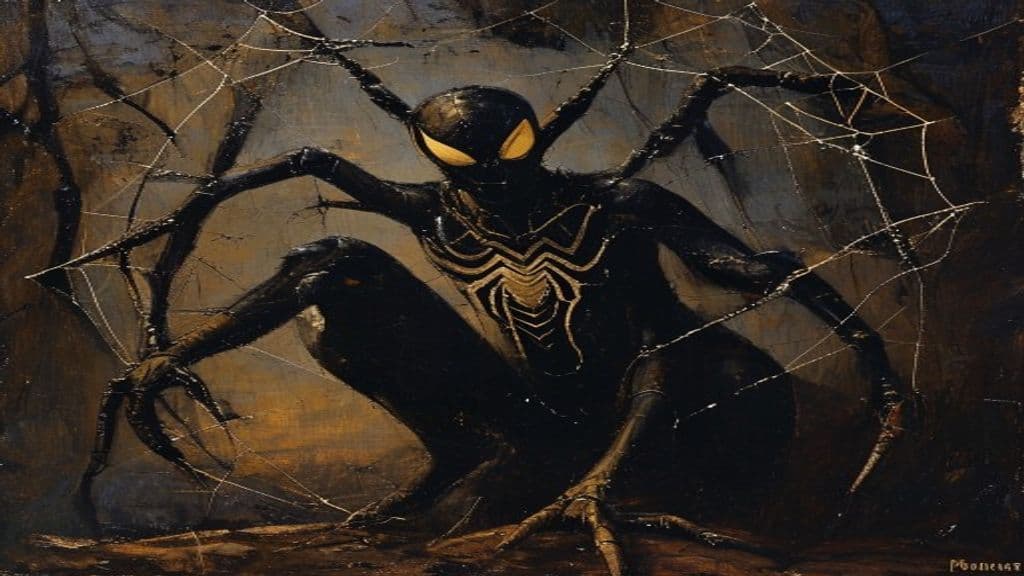
Anansi
The spider trickster god of Akan folklore — cunning, mischievous, and wise. Keeper of stories and teacher of human beings, brought through the slave trade into Caribbean and African-American tradition.
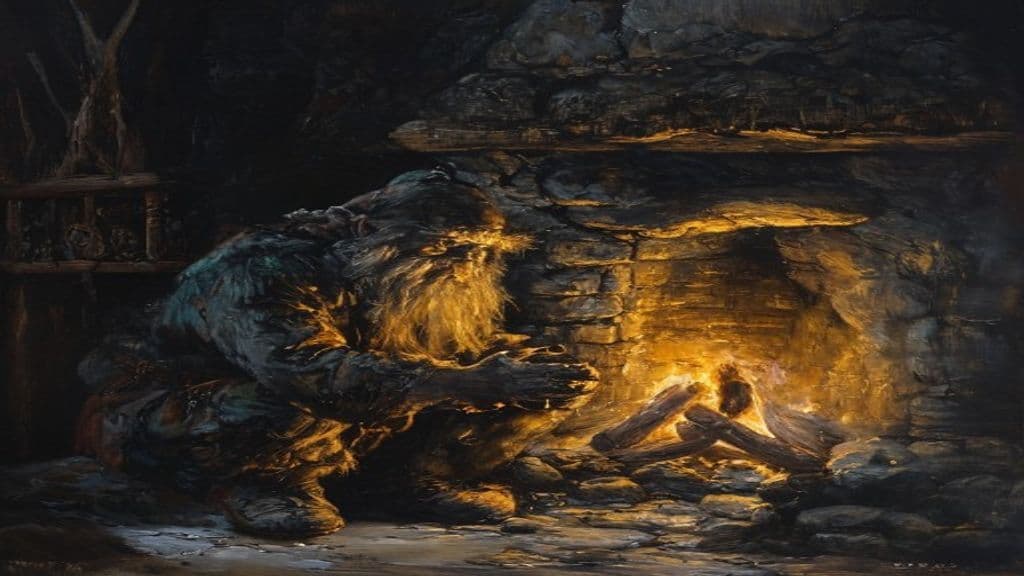
Domovoi
The house spirit of Slavic tradition — a small, invisible guardian of the home bound to a specific dwelling and its family. Protective when respected; dangerous when insulted or forgotten.
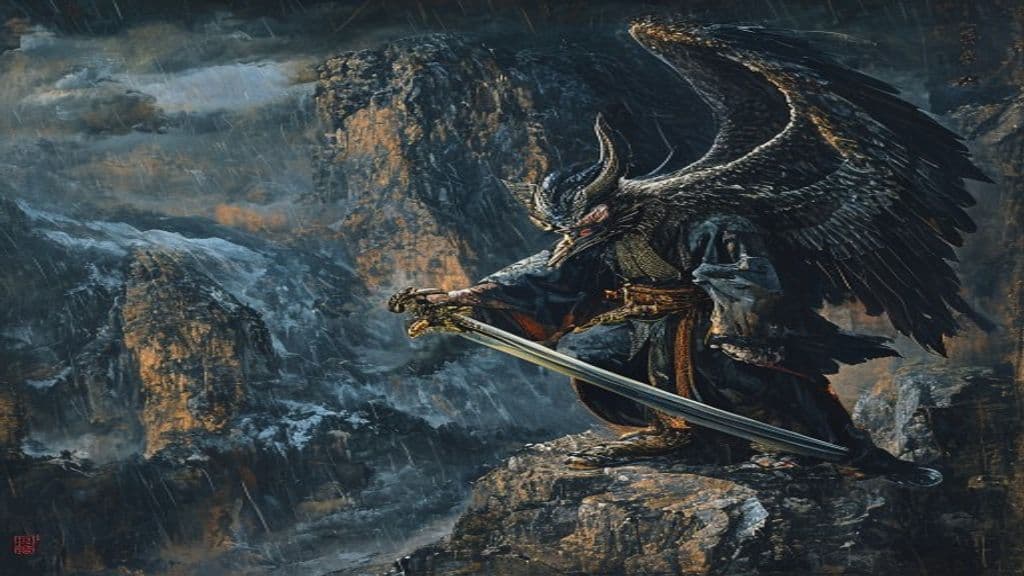
Tengu
Proud, warrior-like mountain spirits of Japan, associated with martial arts, pride, and the wild mountains. Neither fully good nor evil — they test and train warriors and monks, but punish the arrogant.
Kitsune
Fox spirits of Japanese mythology — intelligent, long-lived beings who gain additional tails (up to nine) as they age and grow in power. They serve as messengers of the god Inari and as powerful tricksters.
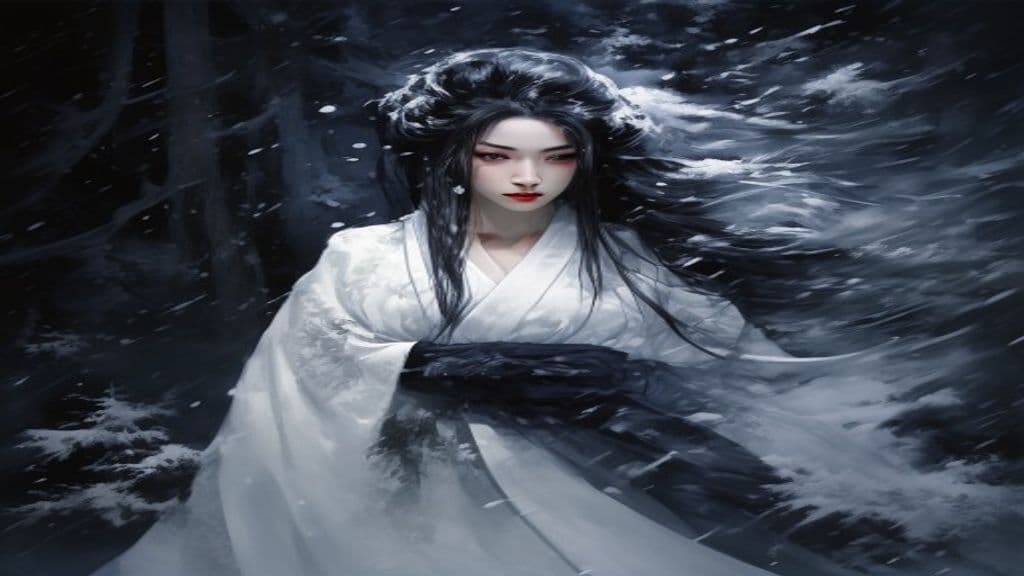
Yuki-onna
The Snow Woman of Japanese folklore — a spirit born of blizzards who appears to travelers lost in snowstorms. Beautiful and lethal, she can show mercy or bring death depending on her mood.
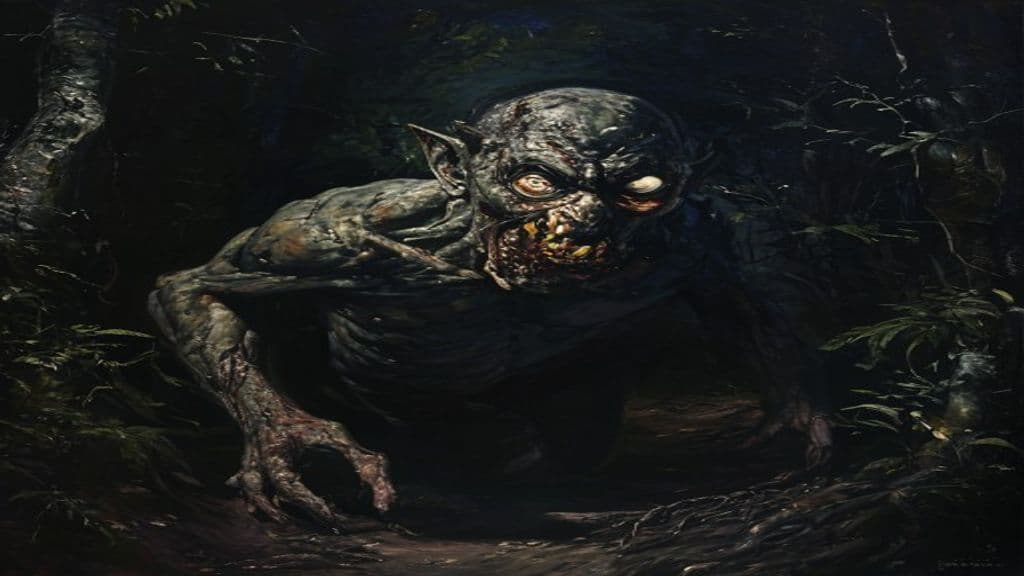
Pishacha
Flesh-eating spirits of Hindu mythology that haunt cremation grounds and are associated with disease, madness, and possession. The lowest class of demon in the Vedic hierarchy.
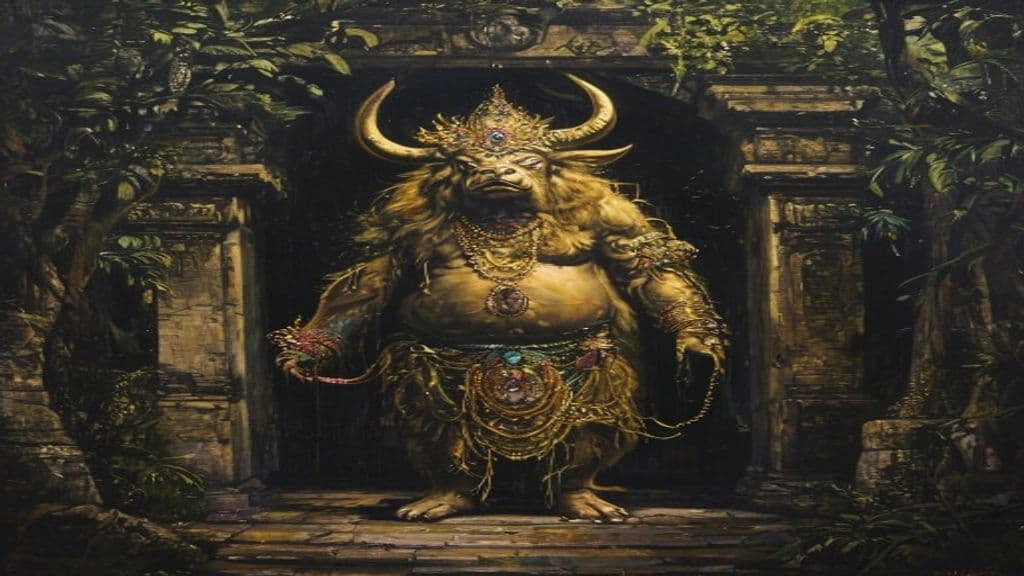
Yaksha
Nature spirits of Hindu, Buddhist, and Jain cosmology — guardians of forests, treasures, and wilderness. Ambivalent beings, capable of great benevolence to the respectful and terrible harm to the greedy.
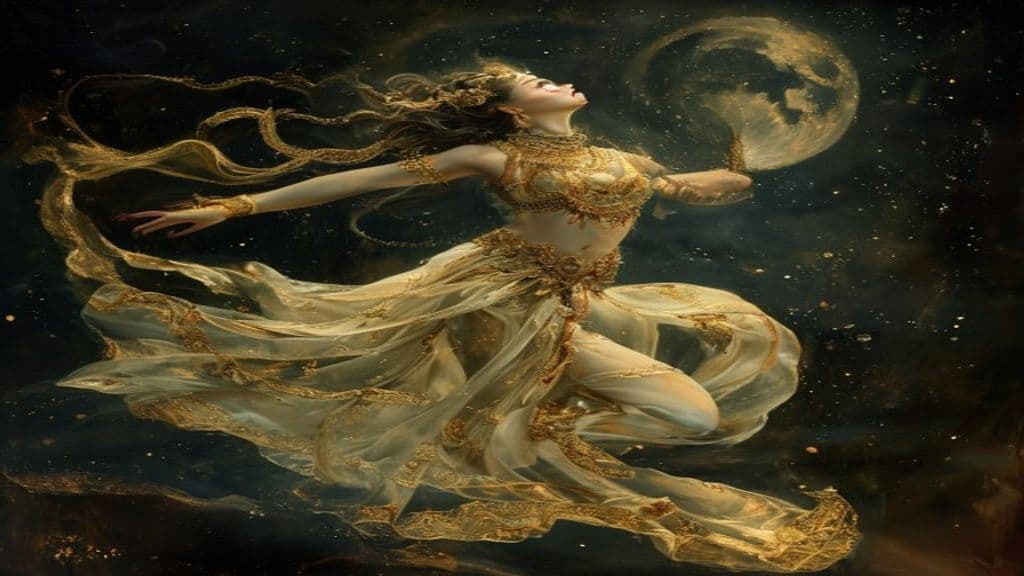
Apsara
Celestial dancers and water nymphs of Hindu cosmology — beautiful semi-divine beings who dance at the court of Indra and, by his command, descend to earth to distract sages from excessive asceticism.
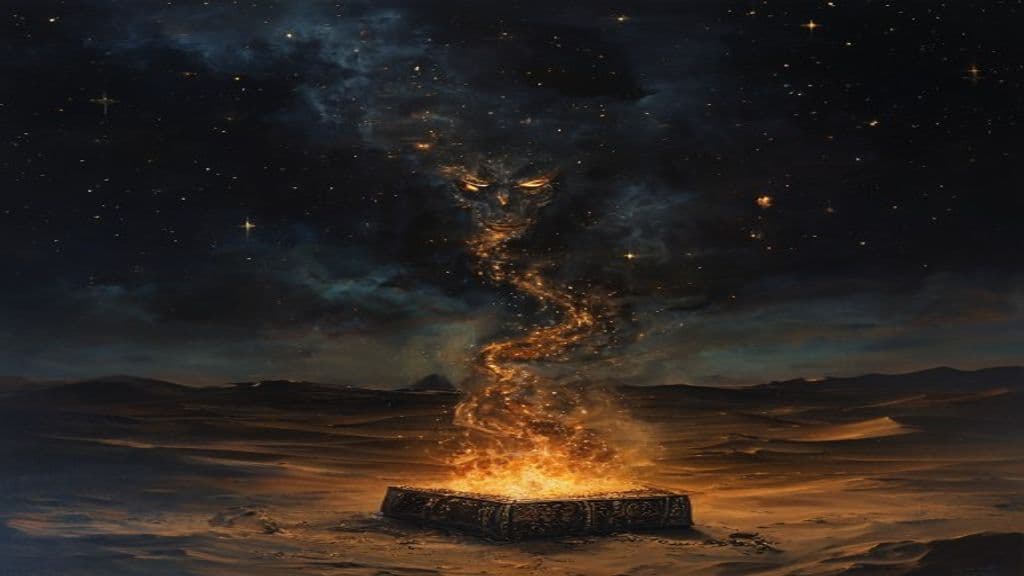
Djinn
The class of supernatural beings created from smokeless fire in Islamic cosmology — a parallel civilization to humanity, capable of belief or unbelief, with their own prophets, society, and judgment before God.
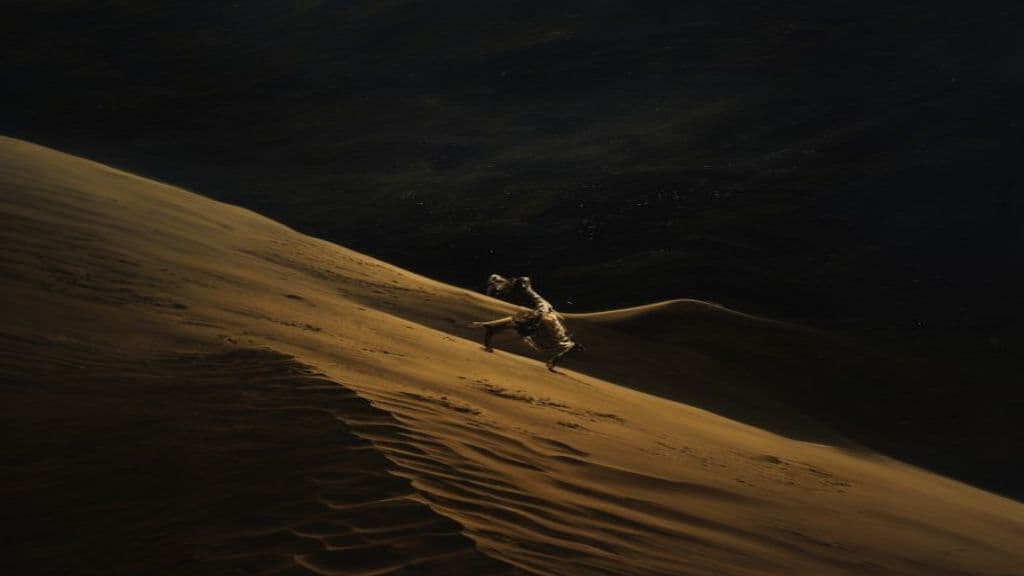
Jann
The weakest class of djinn in Islamic tradition, associated with desert winds and taking the form of snakes or whirlwinds, dwelling in empty wilderness and posing little threat to those who know the proper invocations.
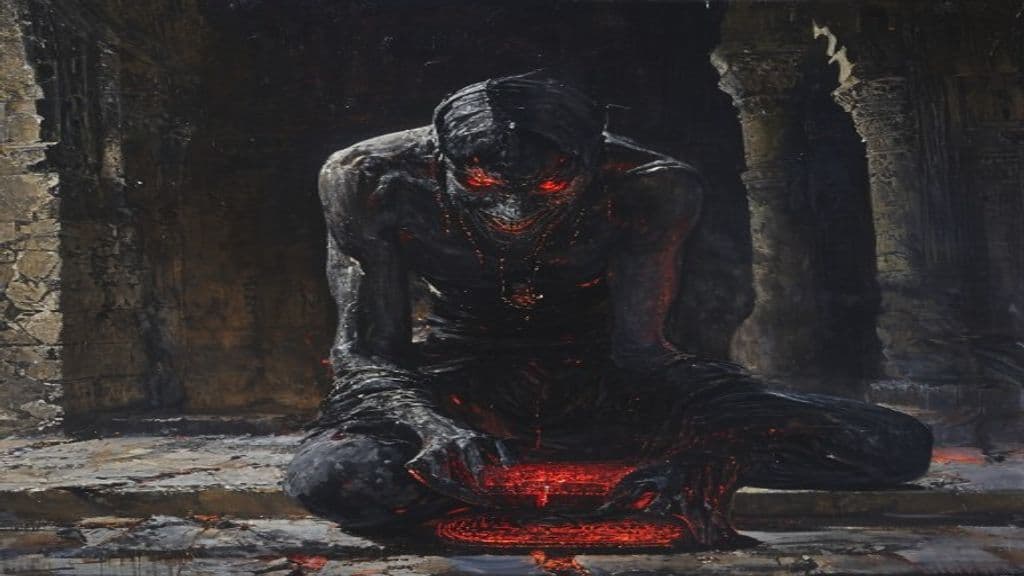
Shaitan
A class of corrupted djinn who follow Iblis and dedicate themselves to leading humans astray — distinct from Iblis himself, the Shayatin are a species of evil djinn who whisper doubts and temptations into the minds of the living.
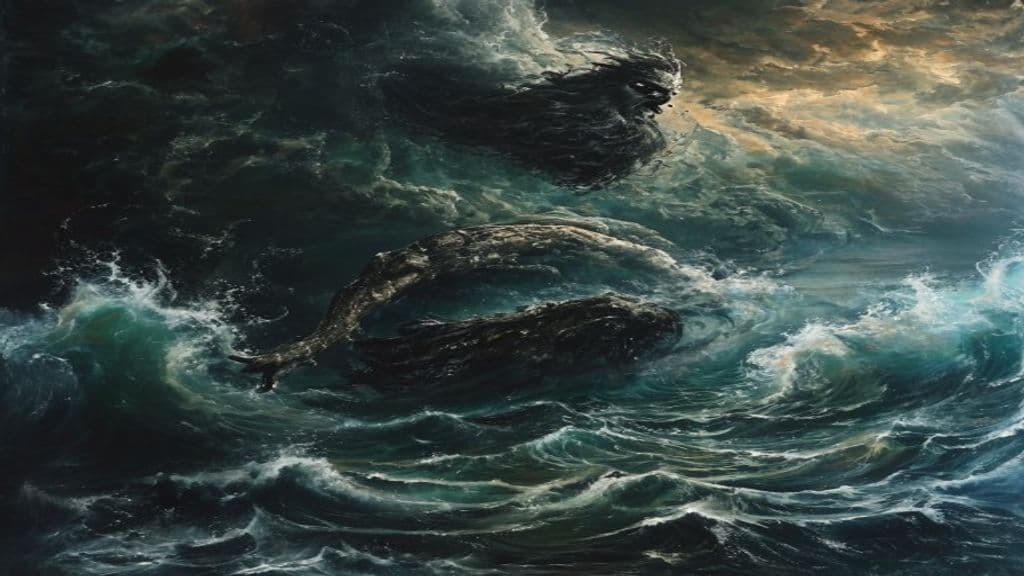
Marid
The most powerful class of jinn in Islamic tradition — beings of the sea, associated with the deep ocean, storms, and the granting of wishes at terrible cost. The classic genie of the Arabian Nights.
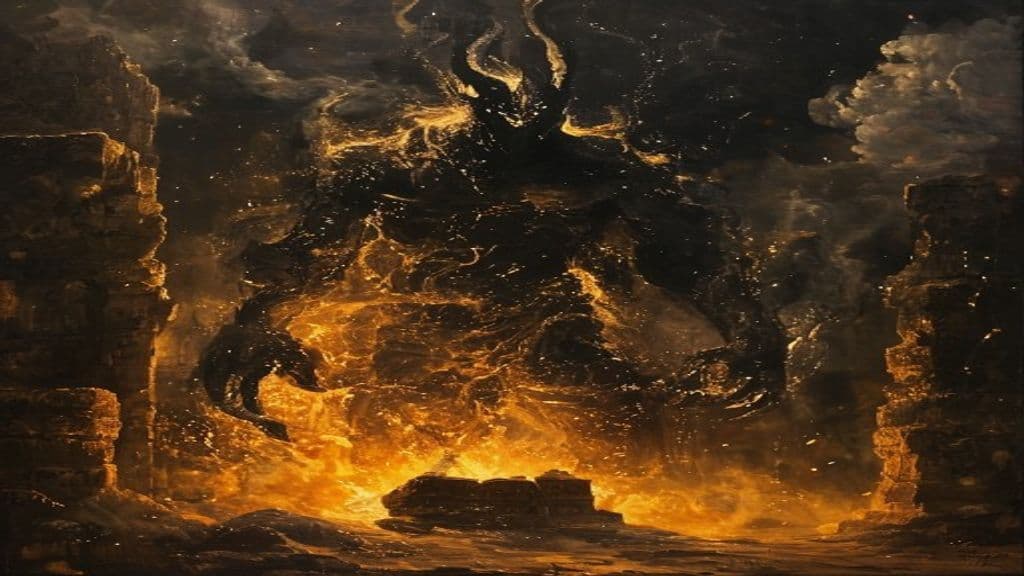
Ifrit
One of the most powerful classes of jinn in Islamic and pre-Islamic Arab tradition — a fire-born being of immense strength and cunning, capable of great works of engineering and terrible violence.
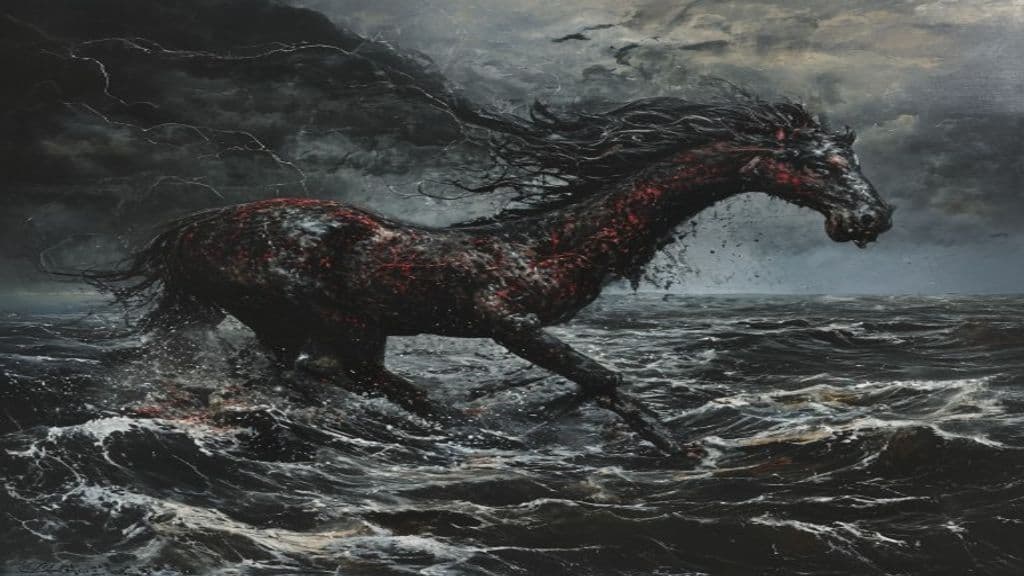
Nuckelavee
The most terrifying creature of Orcadian folklore — a skinless, horse-headed demon of the sea whose breath spreads plague and whose presence causes crops to wither. It cannot cross fresh water.
Eight Immortals (八仙; Bā Xiān)
The Eight Immortals are a group of legendary xian (immortals) in Chinese mythology and popular Taoist-related religion, portrayed as once-human figures who attained transcendence. They function as exemplars of Taoist immortality, patrons of varied social roles, and popular auspicious figures in art, ritual cults, qigong, and martial arts.
Woltje
Woltje is a stock puppet character and popular stage hero in Brussels puppet theatre. The name derives from Waaltje, meaning "small Walloon," and is said to honor the workers who came to build Brussels’ battlements around 1600.
Wonder Woman
A long-running American comic-book superheroine portrayed as an Amazon-Olympian princess and warrior from the island nation of Themyscira. She functions as a leading superhero in the DC Comics universe and a cultural archetype of a powerful, liberated woman; origins and certain attributes vary across comic-book continuities.
Wood harrier (Circus dossenus)
An extinct, forest-adapted small harrier known from Holocene subfossil remains on the Hawaiian islands of Oahu and Molokai. Described formally by James and Olson, it shows insular morphological adaptations and likely went extinct following human colonization impacts.
World Tree
A widespread mythic motif of a colossal, central tree that structures the cosmos by linking heaven, earth, and the underworld and, in some traditions, organizing the cardinal directions and sources of life or wisdom.
Wosret
Wosret (also Waset or Wosyet) is an ancient Egyptian city-goddess of Thebes whose name means "the powerful female one." She is a minor Theban deity attested primarily through royal titulary (e.g., Senwosret/Senusret) and occasional iconography that links her to the Was sceptre and martial accoutrements. Sources describe her as an early consort of Amun and later associated or conflated with Mut, though the relationship is ambiguous in the surviving record.
Wrathful Deities
In Mahayana and especially Vajrayana Buddhism, wrathful deities are fierce or wrathful forms (Tibetan: trowo; Sanskrit: krodha) of enlightened Buddhas, Bodhisattvas, or Devas. They function as protectors and transformative meditational yidams whose terrifying imagery is a skillful means (upaya) to remove obstacles, protect the Dharma, and transform afflictive emotions into wisdom.
Wu Gang
A supernatural being in traditional Chinese folklore associated with endless labor and punishment, similar to Sisyphus. (Note: 1. Power tier should be Ancient (deity-level) as Wu Gang's punishment involves being confined to the Moon. 2. No information about sensory cues is provided in the source material. 3. No information ab)
Wufu (五福) — The Five Blessings
Wufu (五福), literally "Five Blessings," is a Chinese cultural concept grouping five auspicious life goods (such as longevity, wealth, offspring, virtue, and peace). It functions as a moral‑cosmological template expressed in textual enumerations, visual rebuses, household displays, and New Year greetings rather than as a personified supernatural being.
Wunambal
Wunambal (also Unambal, Wunambal Gaambera, Uunguu) is an Aboriginal Australian people, language, and name for country in the northern Kimberley of Western Australia. The term in the available sources refers to the ethnonym, language, and landholders rather than a discrete supernatural being; their cosmology forms part of the wider Wanjina Wunggurr cultural bloc in which creator spirits such as the Wanjina and Wunggurr (including Wandjina imagery) are central.
Wyrd (Norse Tradition)
Concept governing individual lives and their destinies in Anglo-Saxon culture, corresponding to fate or personal destiny. (Note: 1. Power tier should be Lesser (local spirit) as Wyrd is not described as having cosmic-level power. 2. The summary should include the word "Anglo-Saxon culture" to match the source material, but this)
Wælcyrge (wælcyrie / wlcyrge)
An Old Norse-origin conception of a battle-associated female supernatural figure known in Old Norse as valkyrja and attested in Old English as wælcyrge/wælcyrie. In Norse sources these figures choose the slain on the battlefield and convey the chosen to Valhalla, while Old English attestations sometimes portray a more witch-like or maleficent war-maiden addressed in charms and manuscripts.
Community Record
- [1]Wufu. Wikipedia, 'Wufu' article (accessed via provided sources)wiki
- [2]Wu Fu | ferrebeekeeper. Ferrebeekeeper blog post 'Wu Fu' noting rebuses and pairing with other good-luck symbolsother
- [3]Chinese Charm Inscriptions. PrimalTrek inscriptions list (includes entries such as 'wu fu peng shou — Five fortunes surround longevity' and related charm inscriptions)folk