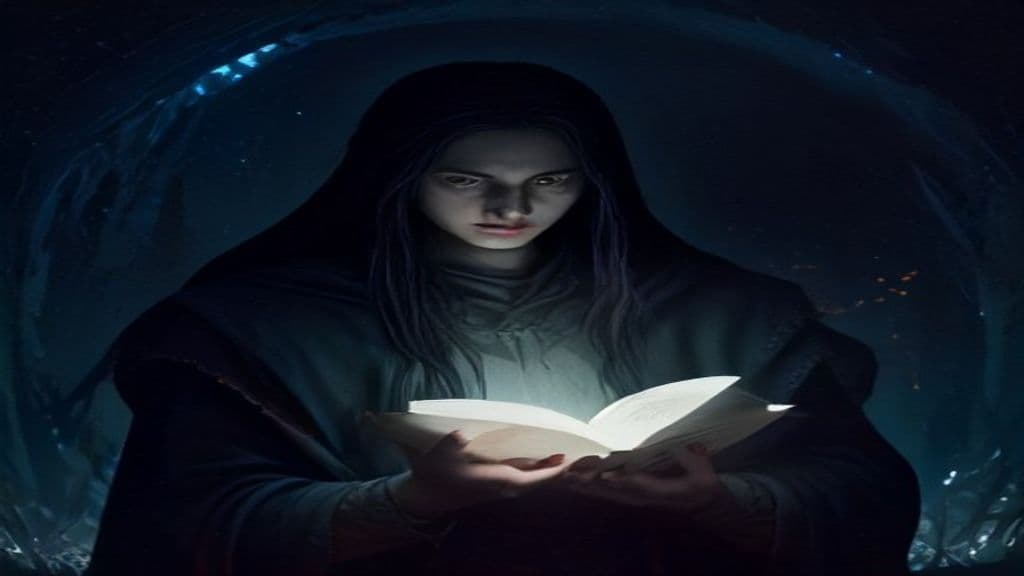
The term 'Watcher' is applied to distinct origins in different sources. In reference works it names an apocryphal class of angels called the Grigori (attested in summaries and listings but with primary apocryphal texts not included in the supplied dataset). In modern fantasy, Tolkien's 'Watcher in the Water' is a creature introduced in The Fellowship of the Ring that lurks beneath a lake by the western walls of Moria. In 20th/21st-century popular culture, Marvel Comics created a race called the Watchers who function as cosmic observers of fictional universes. Separately, the English noun 'watcher' has been extended into technical jargon for software modules that monitor systems (e.g., OpenStack Watcher, Elasticsearch Watcher). The supplied sources do not provide a single unified mythic origin tying these usages together.
Descriptions vary by usage and are limited in the provided excerpts. The apocryphal 'Watcher' or Grigori is named as a class of angels but the dataset excerpts do not supply detailed morphology. Tolkien's Watcher in the Water is described as a lake-dwelling creature lurking beneath Moria's western walls; the excerpt names its setting and dangerous behavior but does not provide a full physical description in the supplied material. Marvel's Watchers are described in secondary summaries as a race of extraterrestrials commonly depicted as all-powerful observers; the supplied snippet emphasizes role and power rather than detailed corporeal features. Technical 'watchers' are software and thus non-physical.
Abilities and behaviors depend on tradition and are variably attested in the sources. The apocryphal Watchers (Grigori) are presented in reference listings as a class of angels with a watching/observing role (the primary apocryphal texts are not included in the dataset, so further powers are not documented here). Tolkien's Watcher in the Water behaves as a lurking, hostile creature that impedes passage toward Moria's gate. Marvel's Watchers are characterized in secondary descriptions as immensely powerful cosmic observers who watch over fictional universes and narratives, with an emphasis on observation and restrained intervention. In computing, 'watcher' programs perform monitoring and supervisory functions over processes or resources.
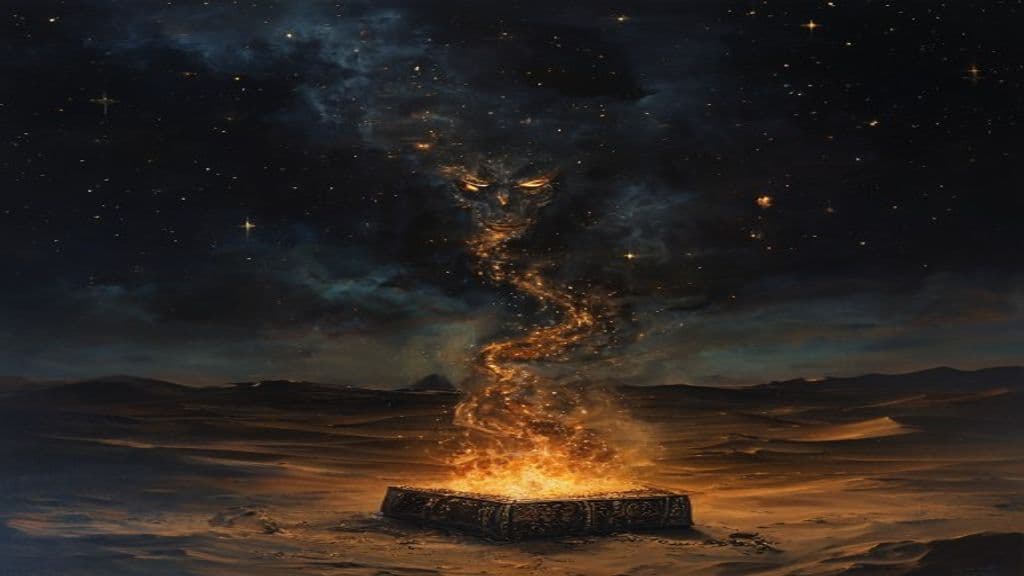
Djinn
The class of supernatural beings created from smokeless fire in Islamic cosmology — a parallel civilization to humanity, capable of belief or unbelief, with their own prophets, society, and judgment before God.
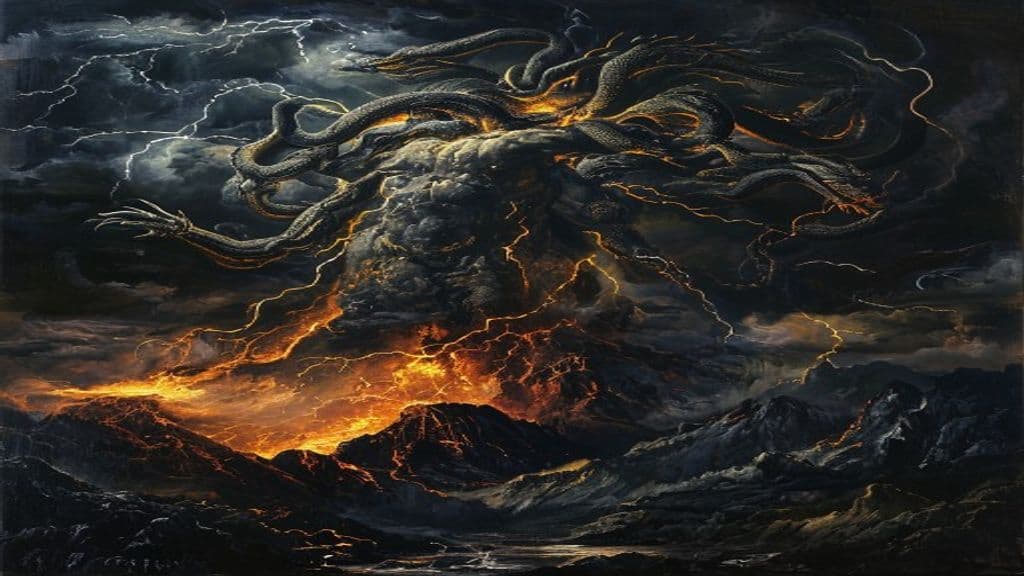
Typhon
The last great monster of Greek mythology — a vast, fire-breathing giant whose shoulders sprouted a hundred serpent heads, nearly toppling Zeus from Olympus.
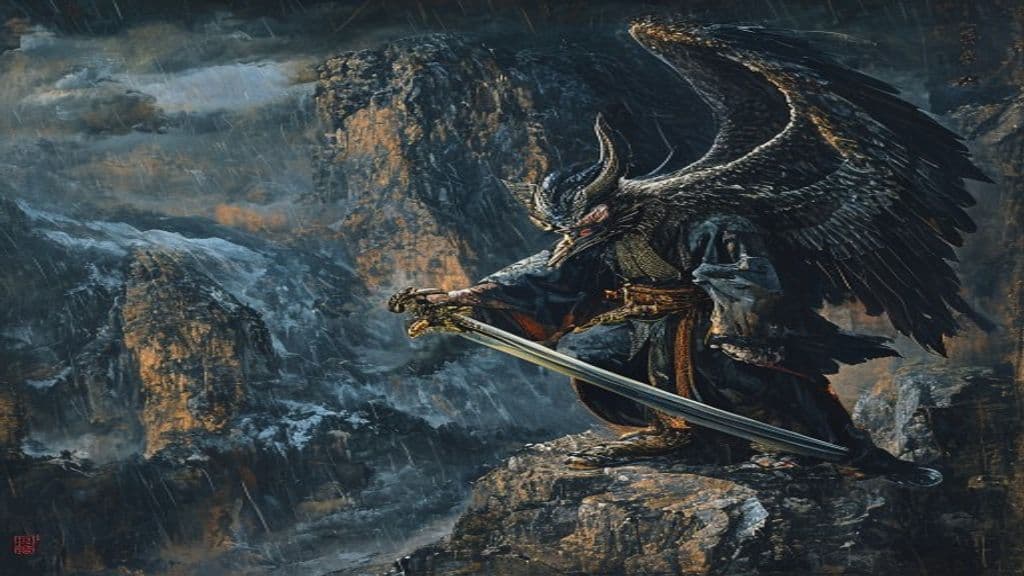
Tengu
Proud, warrior-like mountain spirits of Japan, associated with martial arts, pride, and the wild mountains. Neither fully good nor evil — they test and train warriors and monks, but punish the arrogant.
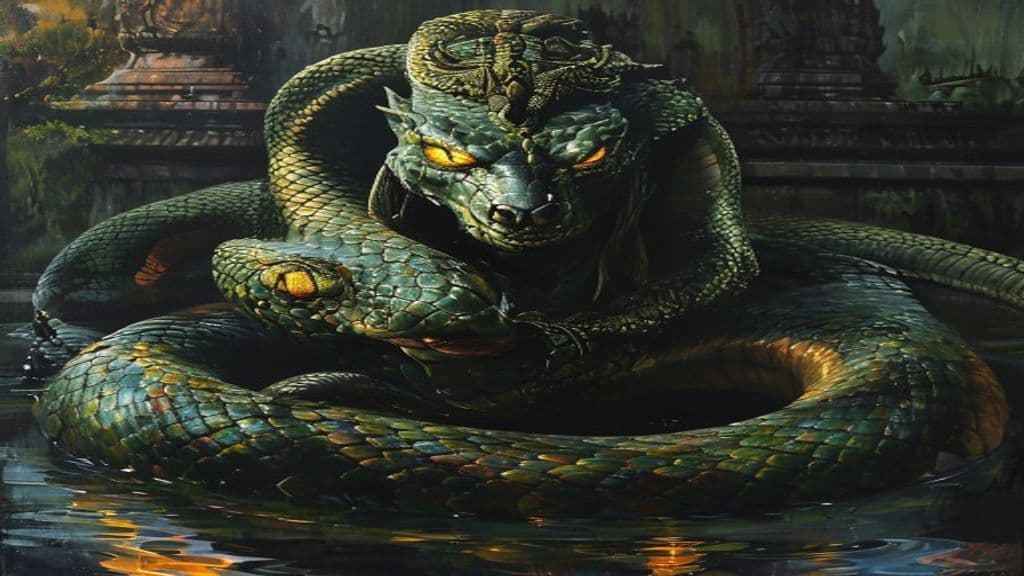
Naga
Divine serpent beings of Hindu, Buddhist, and Jain cosmology — powerful guardians of water, earth, and underground treasures. Revered as deities in South and Southeast Asia.
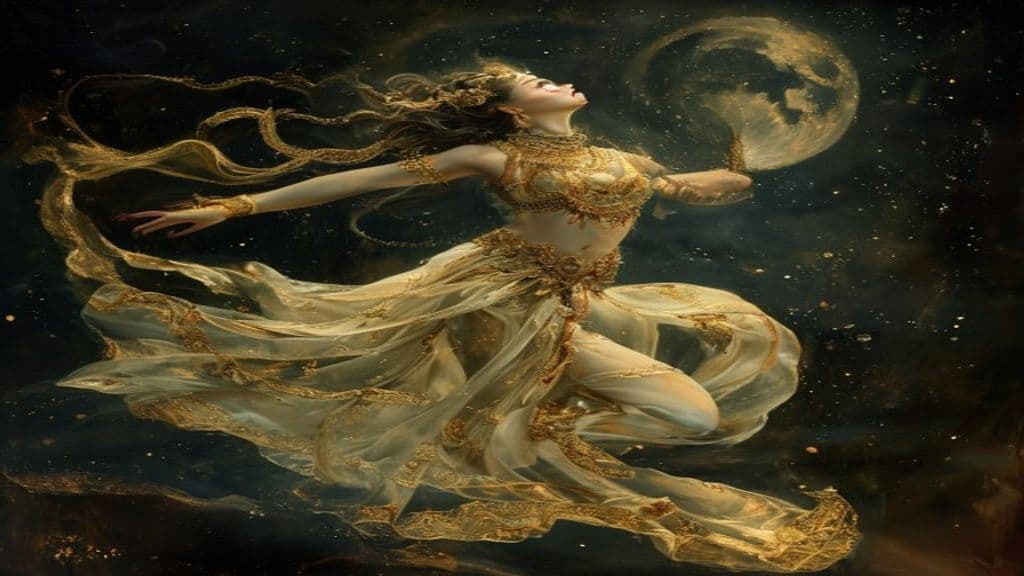
Apsara
Celestial dancers and water nymphs of Hindu cosmology — beautiful semi-divine beings who dance at the court of Indra and, by his command, descend to earth to distract sages from excessive asceticism.
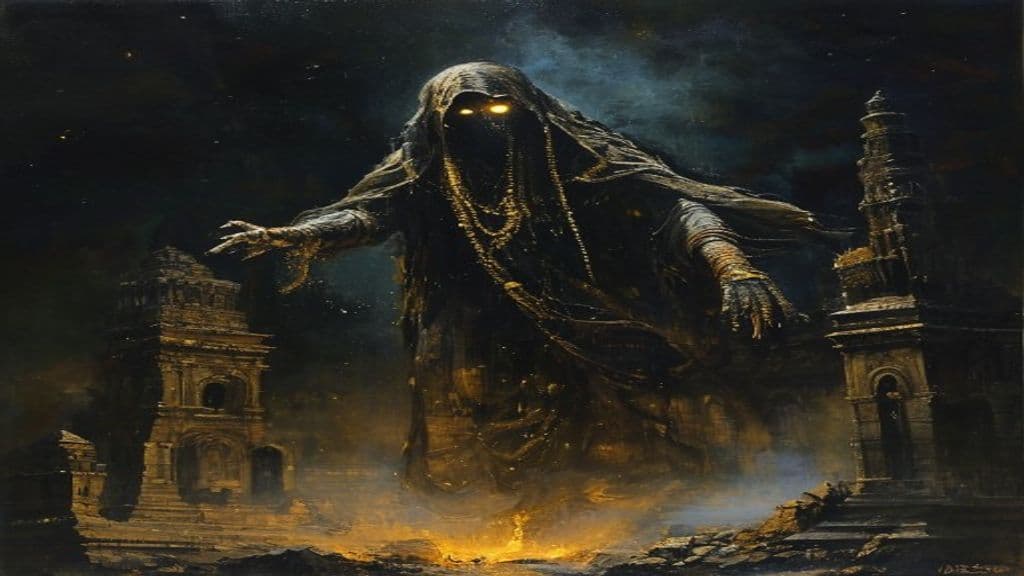
Brahmarakshas
The most learned and terrible of spirits — the ghost of a Brahmin who misused his scriptural knowledge in life and was condemned after death to be both demon and scholar, haunting places of learning.
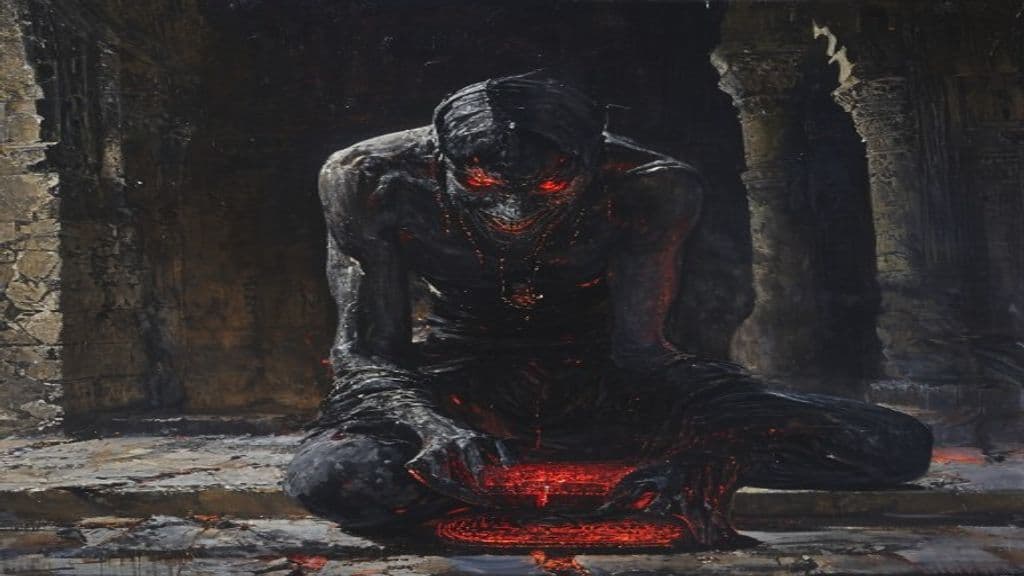
Shaitan
A class of corrupted djinn who follow Iblis and dedicate themselves to leading humans astray — distinct from Iblis himself, the Shayatin are a species of evil djinn who whisper doubts and temptations into the minds of the living.
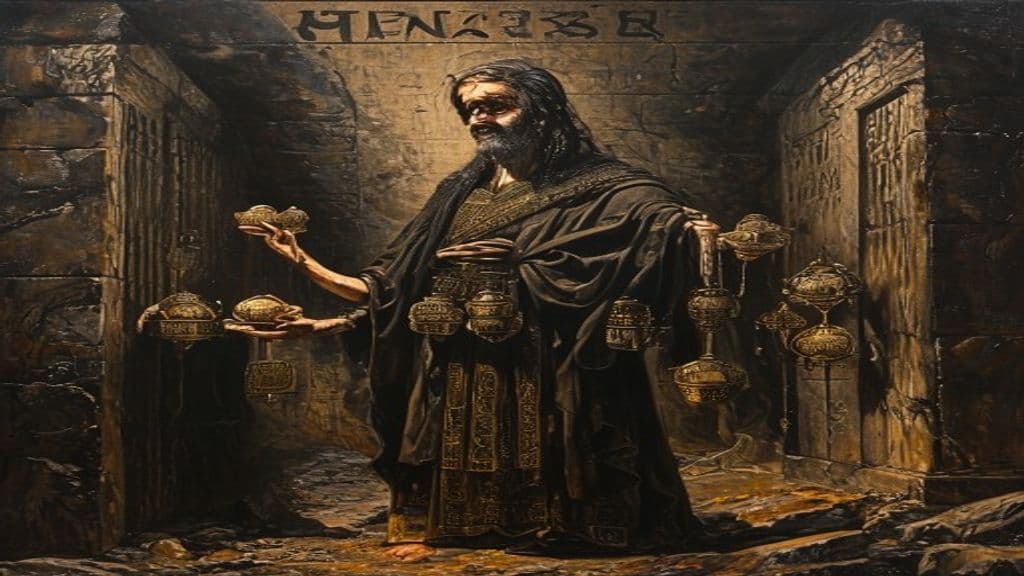
Namtar
The Sumerian god-demon of fate and disease, vizier of the Underworld who carries sixty diseases and acts as herald of death — he who determines the day of dying.
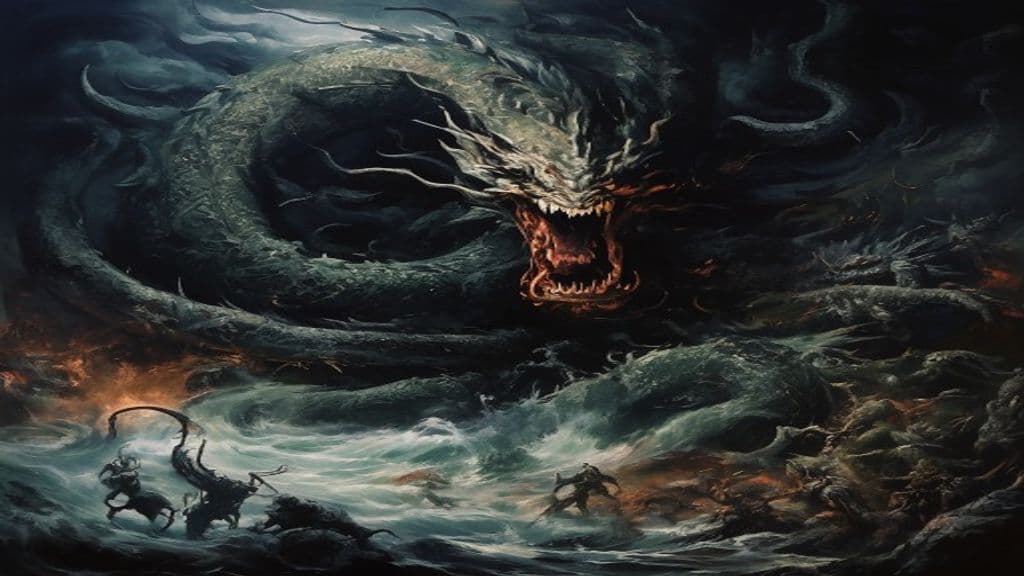
Tiamat
The primordial salt-sea dragon of Babylonian creation myth — the chaos-mother from whose slain body the universe was built, and whose blood became the first humans.
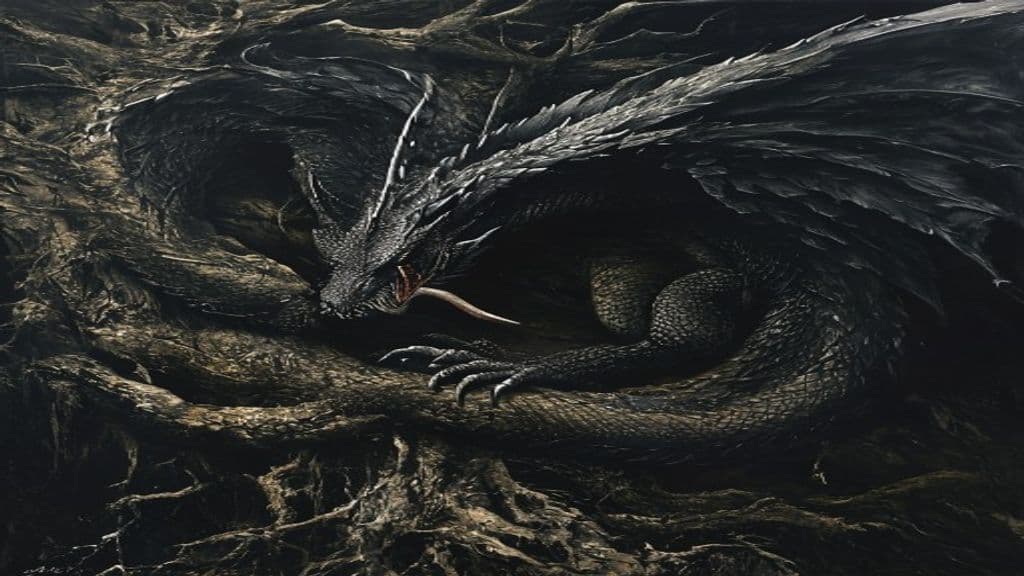
Níðhöggr
The corpse-gnawing dragon coiled around the roots of Yggdrasil, ceaselessly chewing the World Tree — and destined to survive Ragnarök and carry the dead on its wings.
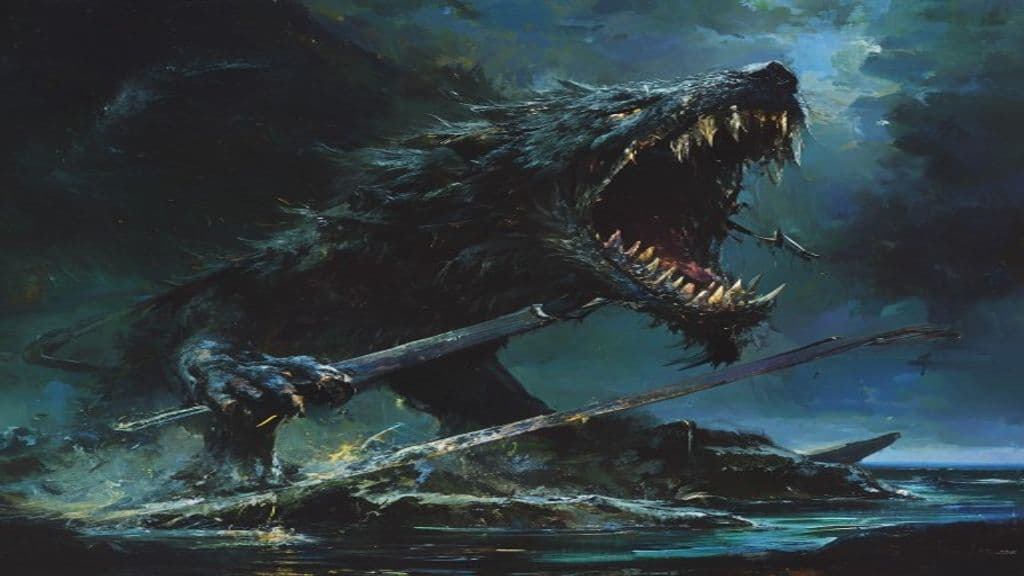
Fenrir
The monstrous wolf son of Loki, bound by the gods with a magical ribbon until Ragnarök — when he will break free and swallow Odin, and the world.
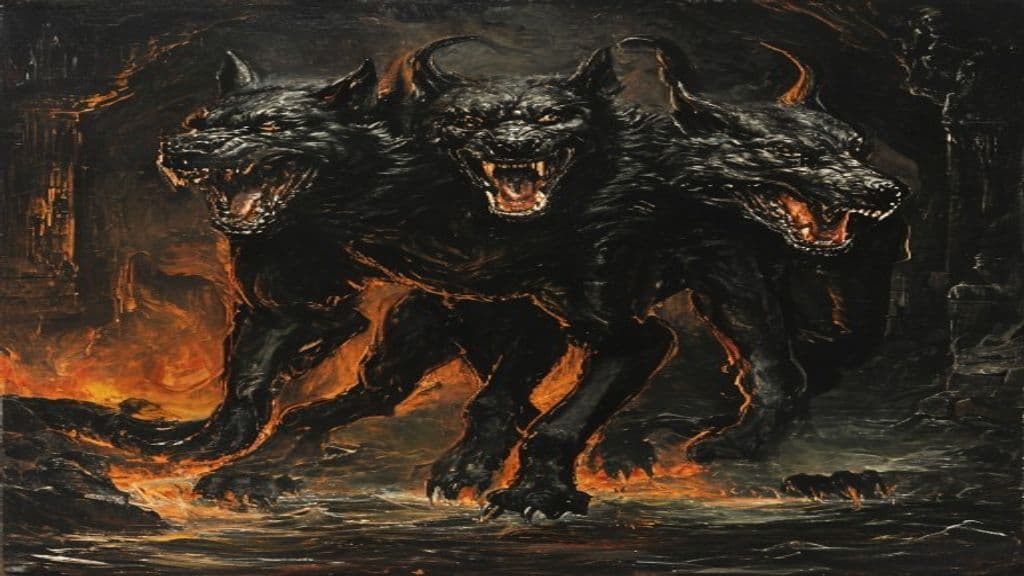
Cerberus
The three-headed hound of Hades, guardian of the underworld's gates — welcoming the dead in but allowing no shade to leave and no living mortal to enter uninvited.
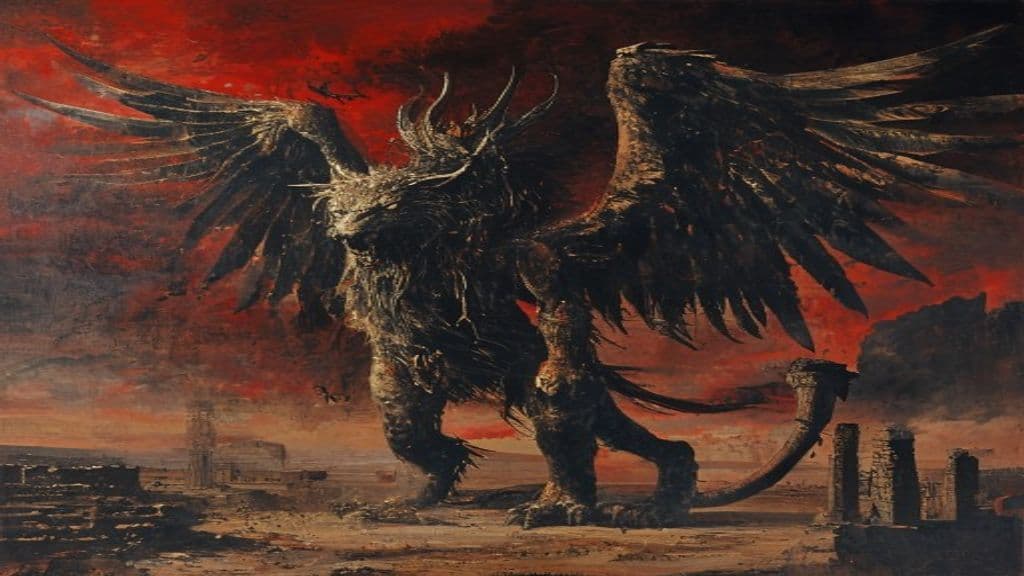
Pazuzu
The king of the wind demons of ancient Mesopotamia, lord of the southwest wind — paradoxically invoked as a protector against Lamashtu and other demons despite being evil himself.
Wakwak
The Wakwak is a nocturnal, predatory creature in Philippine popular belief, typically described as a bird-like vampiric being that hunts humans at night. It is named onomatopoeically for the wak-wak sound associated with its flight or call and occupies the same folkloric cluster as the manananggal, ekek, and aswang.
Wakȟáŋ Tȟáŋka
Lakota term for the Great Sacred or Great Mystery that names the sacred power or quality immanent in all things; sometimes rendered in English as "Great Spirit" but better understood as a pervasive sacredness or, in some historical usages, as a mysterious collective of sacred beings.
Waldgeist (Woodwight / "Wildnisgeist")
A modern analytical label proposed for poltergeist-like phenomena occurring in wooded locations; described in the cited literature as producing physical disturbances (thrown stones, raps, lights, odors, apports) in forested tracts and sometimes overlapping in report-pattern with non-sighting cryptid (Bigfoot) encounters. The term also appears in contemporary culture as a reused compound name but lacks a documented traditional folkloric corpus within the supplied sources.
Wandjina
The Wandjina (also Wanjina, Wondjina; sometimes listed as Gulingi) are ancestral cloud-and-rain spirit-beings of the Wanjina Wunggurr cultural bloc in northwestern Australia. They are depicted prominently in Kimberley rock art, some paintings of which date to approximately 4,000 years ago, and are integrated in a local cosmology that includes the creator-being Wunngurr (analogous to the Rainbow Serpent).
Wanjina Wunggurr (unverified)
Insufficient sourced information available in the provided material to describe Wanjina Wunggurr. The only confirmed fact from the source is that the Worrorra (Worora) are an Aboriginal Australian people of the Kimberley region; no reliable details about Wanjina Wunggurr are present in the supplied source.
Warg
A large, malevolent wolf-like being whose modern fictional form was popularized by J. R. R. Tolkien as an intelligent, war‑capable wolf-race allied with Orcs; the term derives from Old Norse vargr and Old English wearh, words that blur natural wolf, outlawry, and destructive agency.
Water deity
A water deity is a god or goddess associated with water or specific bodies of water (sea, ocean, great river, spring, or well). The term is a functional, comparative category used by scholars to group diverse culture-specific divine figures whose primary domain is water.
Way (wayob)
Way (plural wayob) is a Yucatec Maya term denoting a human-linked animal-being tied to sleep; it can mean a person who transforms into an animal while asleep (a Mesoamerican nagual) or the animal transformation/companion itself. Wayob appear in Classic Maya iconography (marked by a special hieroglyph) and are recorded in later Yucatec usage and museum interpretation as both harmful nocturnal agents and as ritual companions for rulers on journeys to the Otherworld.
Wayland the Smith
Wayland the Smith is a legendary master craftsman from early Germanic and Norse tradition, famed for superlative metalwork, cunning devices, and a narrative of capture, mutilation, vengeance, and escape. He appears as a culture-hero/artisan in poetic and saga contexts (not a formal deity) and is later equated with classical craft-figures such as Daedalus in medieval manuscript tradition.
Wayob
Wayob (singular way or uay) are Maya supernatural companions or transformative alter-forms tied to the state of sleeping: humans (especially sorcerers or elites) send forth or become animal or apparition forms while asleep to act in the world. In ethnographic sources they appear often as domestic animals or meteorological powers and are implicated in harm and disease; Classic Maya inscriptions and art show a broader typology including jaguars, birds, hybrids and skeletal underworld figures linked to rulership and death imagery.
Weather god
A class of deity in many mythological traditions responsible for meteorological phenomena—thunder, lightning, rain, wind, storms and related atmospheric forces—often linked to sky sovereignty, fertility, warfare, or protection within local pantheons.
Wechselbalg
The Changeling of Germanic and Norse tradition — a fairy or demonic child substituted for a stolen human infant, identifiable by its voracious appetite, failure to thrive, and uncanny behavior.
Community Record
- [1]Watcher. Wikipedia, entry 'Watcher'.wiki
- [2]Watcher in the Water. Wikipedia, entry 'Watcher in the Water'.wiki
- [3]Watcher (comics). Wikipedia, entry 'Watcher (comics)'.wiki
- [4]Wikidata: Watcher. Wikidata item for 'Watcher'.other
- [5]OpenStack Releases: Watcher. OpenStack project documentation for 'Watcher' (software).other
- [6]Watcher — Python Elasticsearch client 9.1.3 documentation. Elasticsearch Python client documentation for 'Watcher' (software feature).other
- [7]watcher (GNU Direvent). GNU Direvent manual: 'watcher' utility (software).other